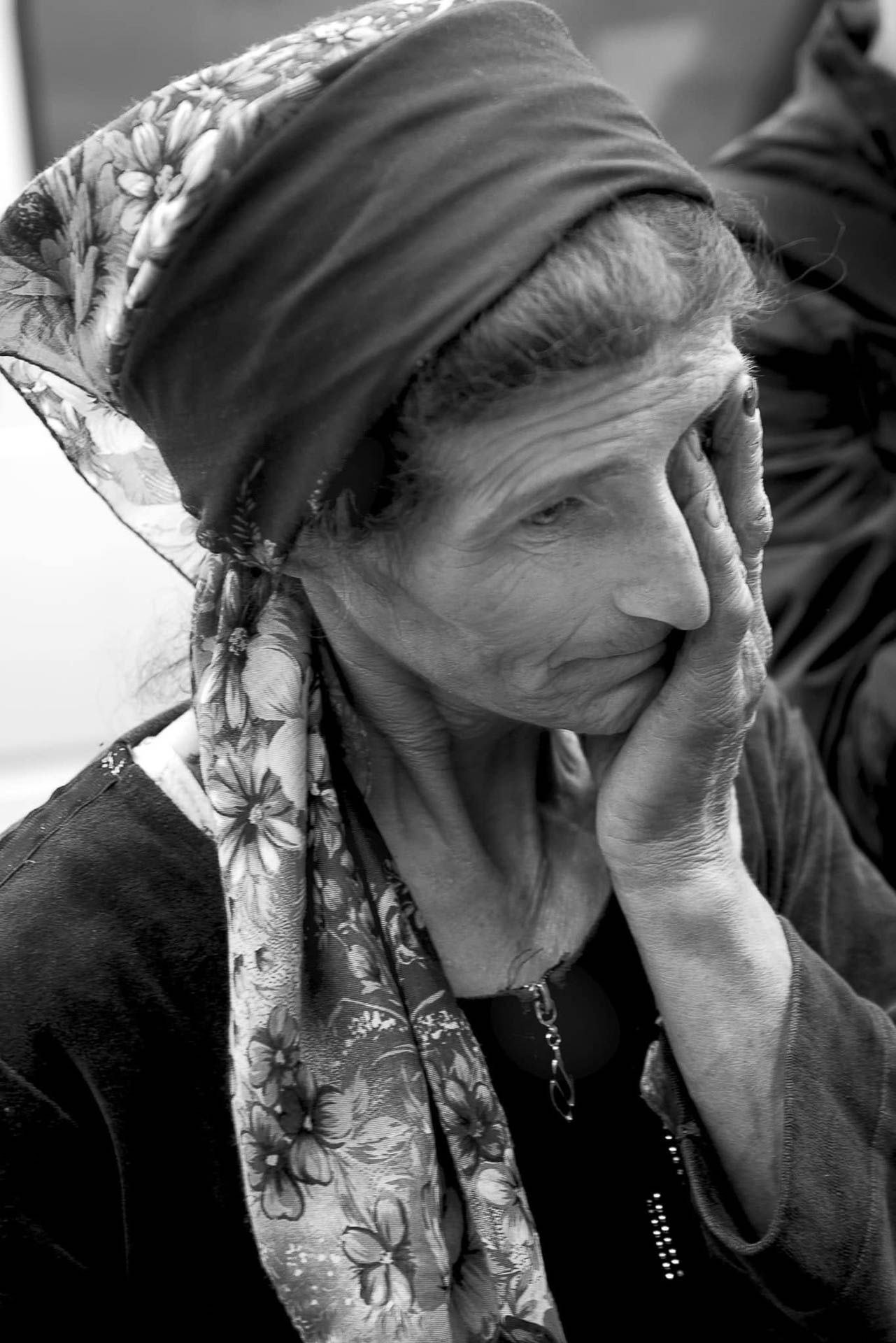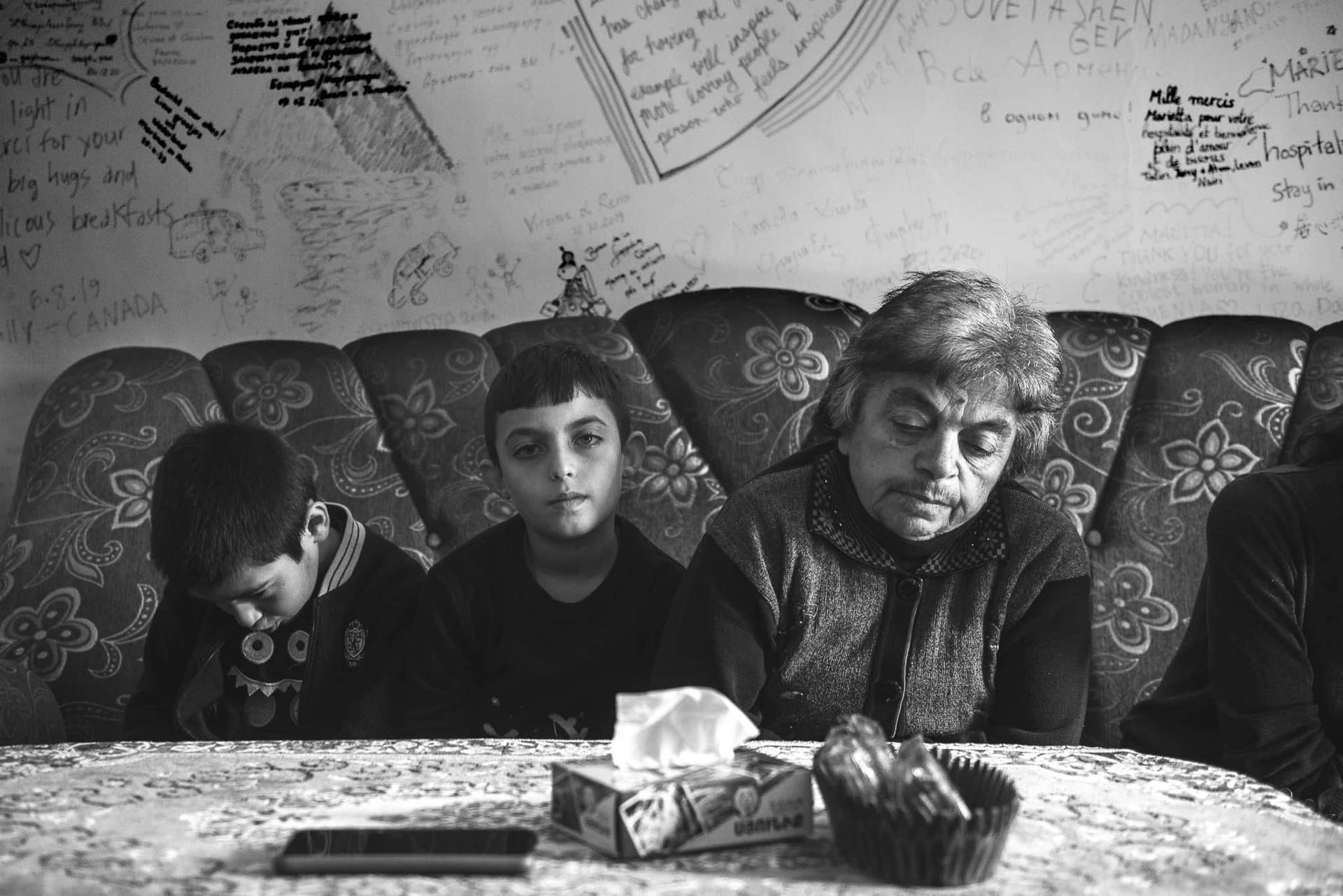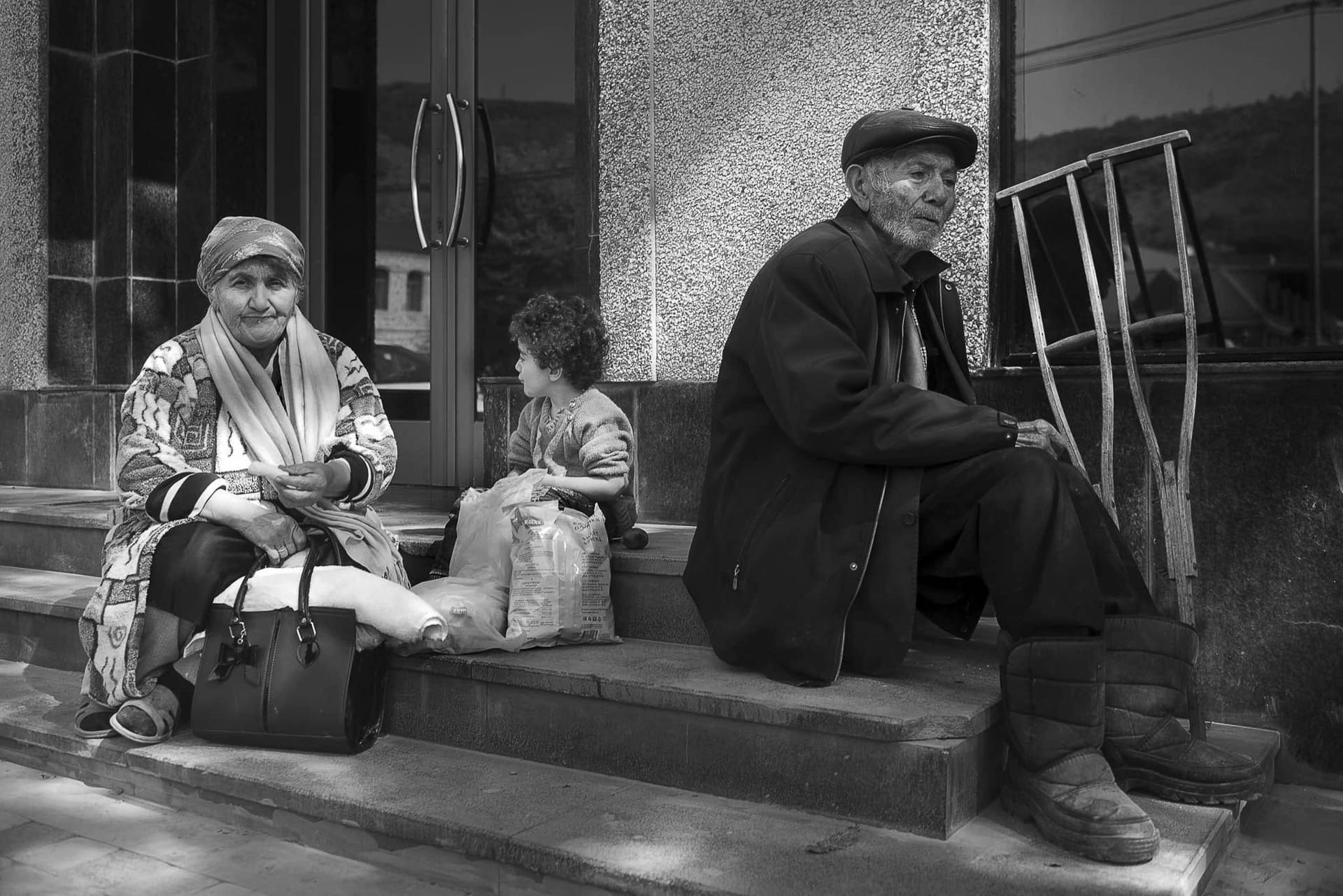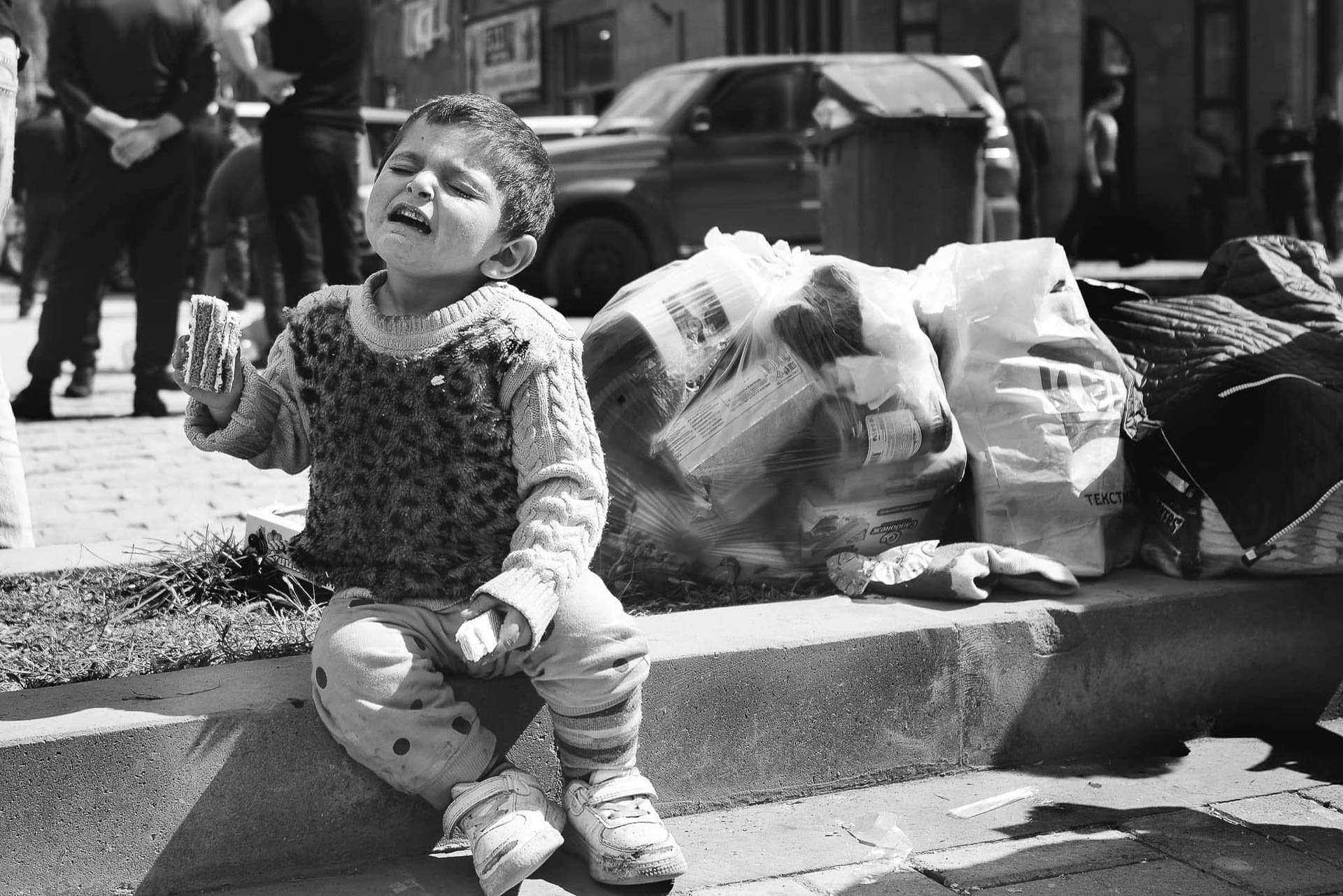

Between November 2022 and September 2023, Azerbaijan and Turkey imposed a total siege on the indigenous Armenian population of Nagorno-Karabakh (known as the Republic of Artsakh to Armenians). For nine months, they blockaded the Lachin Corridor—the only route connecting this region’s Armenians to the outside world. This highway ran from Stepanakert (the capital) to the Armenian border crossing, the gateway to the world.
The blockade banned humanitarian aid and subjected Artsakh’s 120,000 people to absolute siege. Regardless of occupation or social class, all were denied food, medical resources, and healthcare. Trucks carrying medical supplies or food were barred entry. The population endured engineered starvation while forbidden to leave—infants, children, women, and elders trapped in an open-air prison.
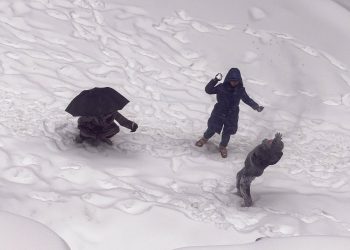
Constant electricity and gas cuts plagued them through subzero winters and blizzards. No heat, no hot water, no cooking. Physical and emotional exhaustion became universal. Deaths from starvation soon followed. As basic goods vanished, supermarket shelves stood empty, produce markets desolate. Bakeries rationed meager daily bread—people lined up before dawn for a number guaranteeing their family’s single daily portion. This continued for weeks until flour ran out. An entire population was condemned to suffer for nine months under conditions incompatible with human life.
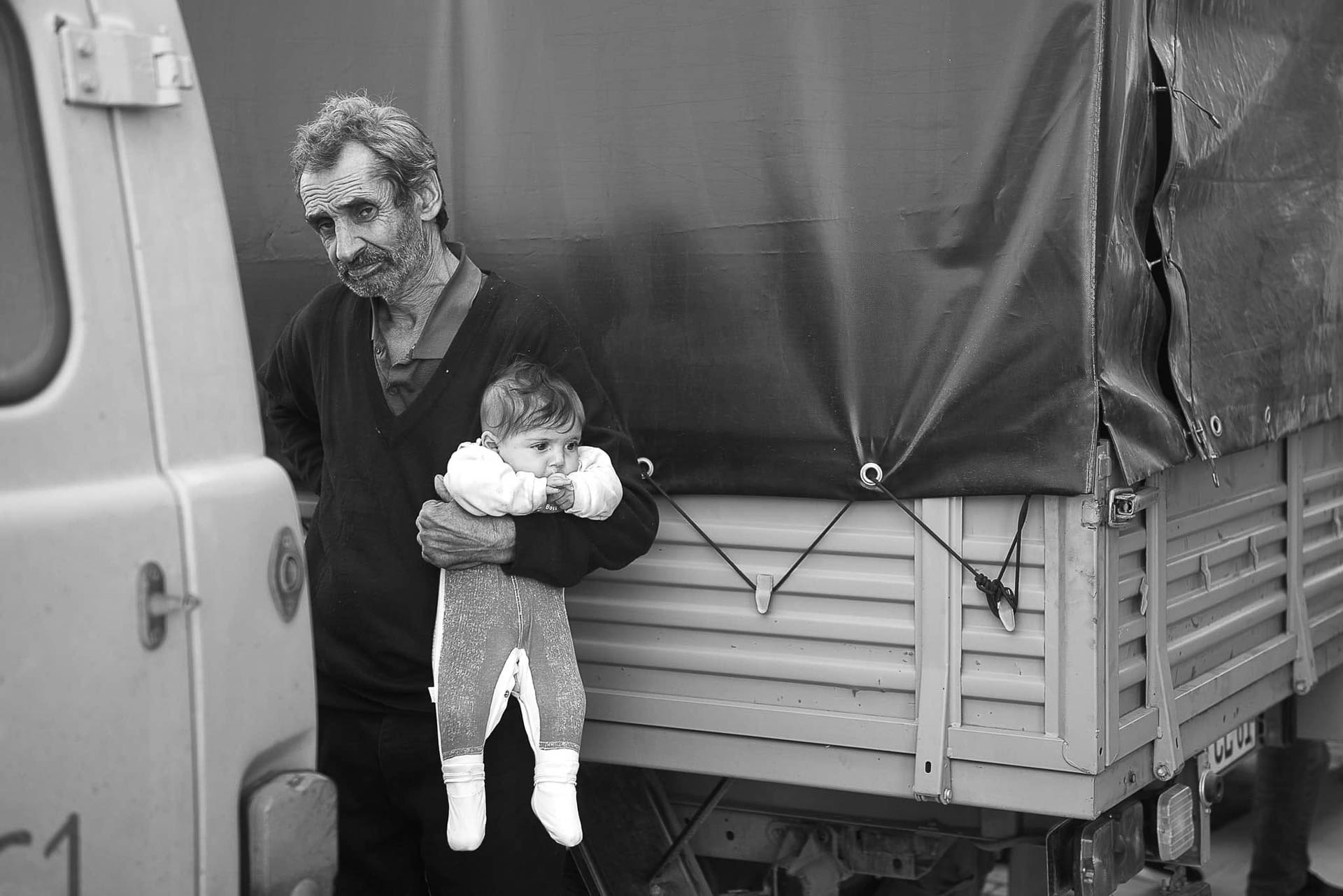
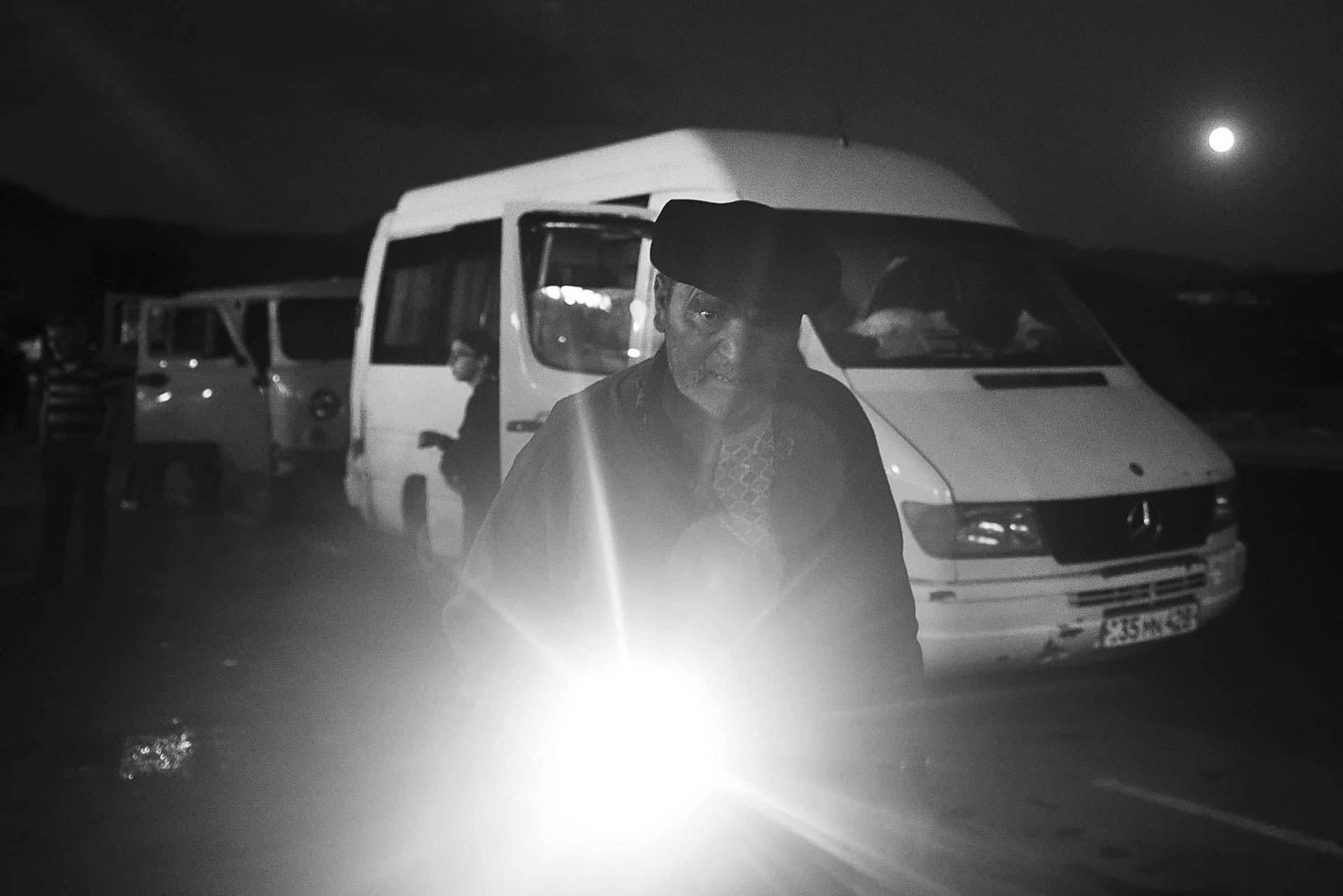
If forced to flee immediately to save your family, what would you take in one car? Clothes? Family photos? Jewelry? Books? Exile means leaving your life behind with only what you carry. Such were the final days for Artsakh’s 120,000 inhabitants—given a deadline to abandon homes, cities, and villages. Many intentionally burned their houses, leaving nothing for those violently expelling them from lands their ancestors inhabited for millennia.
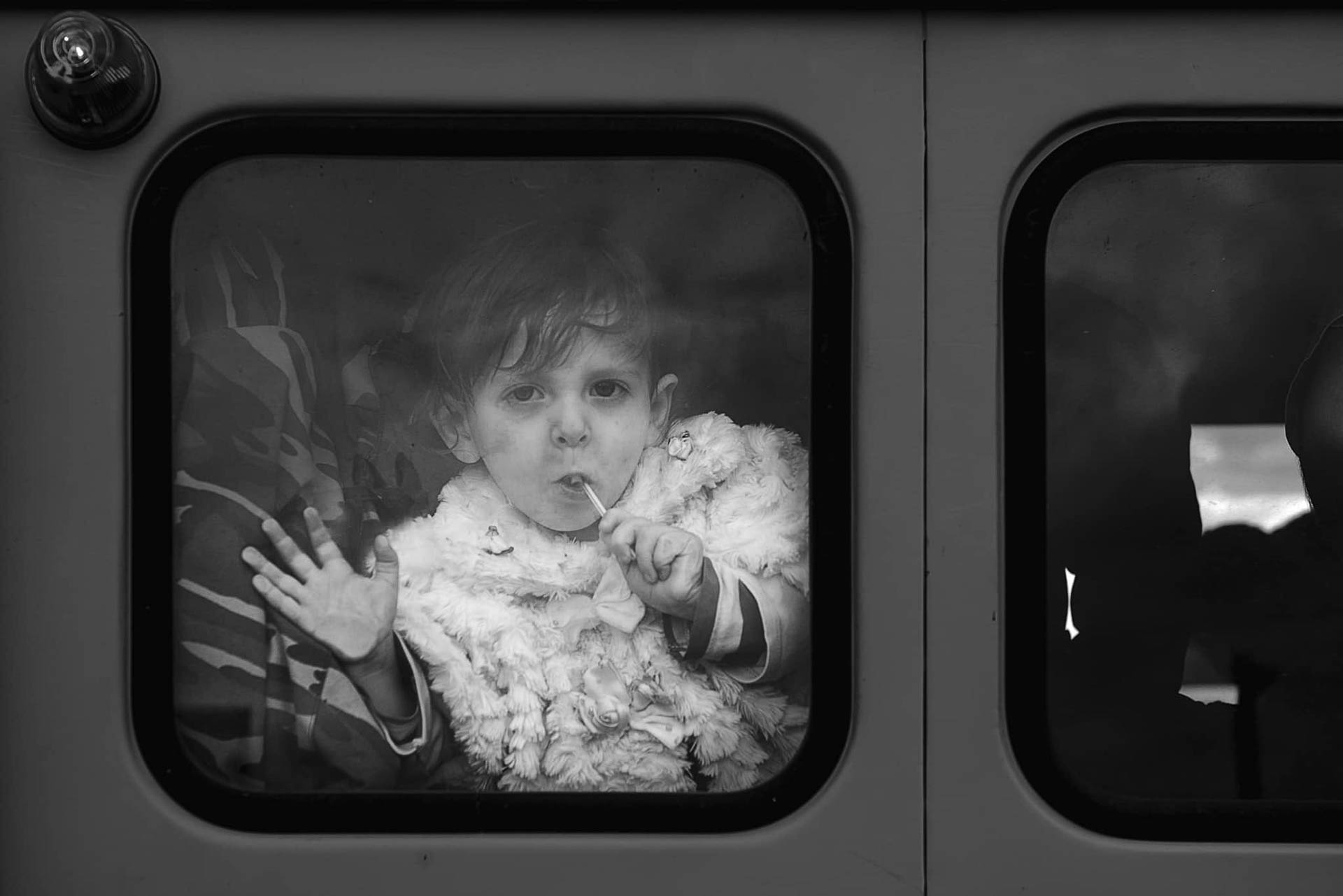
Armenians knew they weren’t invaders: their parents, grandparents, and generations beyond were indigenous to Artsakh. Families with vehicles packed “transportable” fragments of life. Children clung to stuffed animals or drawings—whatever fit. Some tried to exhume dead relatives’ remains; Azerbaijan forbade it. They wanted to take everything: the complete past of families rooted in Artsakh’s soil since time immemorial. They wanted the graves of teenagers fallen in battle. But those who stole their peaceful life denied them even this.
In Artsakh, the books remained. The written history of Armenian battles and epics. Historians’ archives, music, cultural centers, churches, and Christian monasteries—all left behind, destined for destruction or conversion into mosques under Azerbaijan’s false narratives, despite centuries-old Armenian inscriptions on their walls.
For the enemy, rewriting history is easy when facing a blank slate. History was erased here, as in Nakhichevan—another historic Armenian region now under Azerbaijani control after persecution and expulsion. But these photographs stand as evidence of the Armenian people’s exile, yet another chapter in their history of banishment.
Translated with Deepseek AI