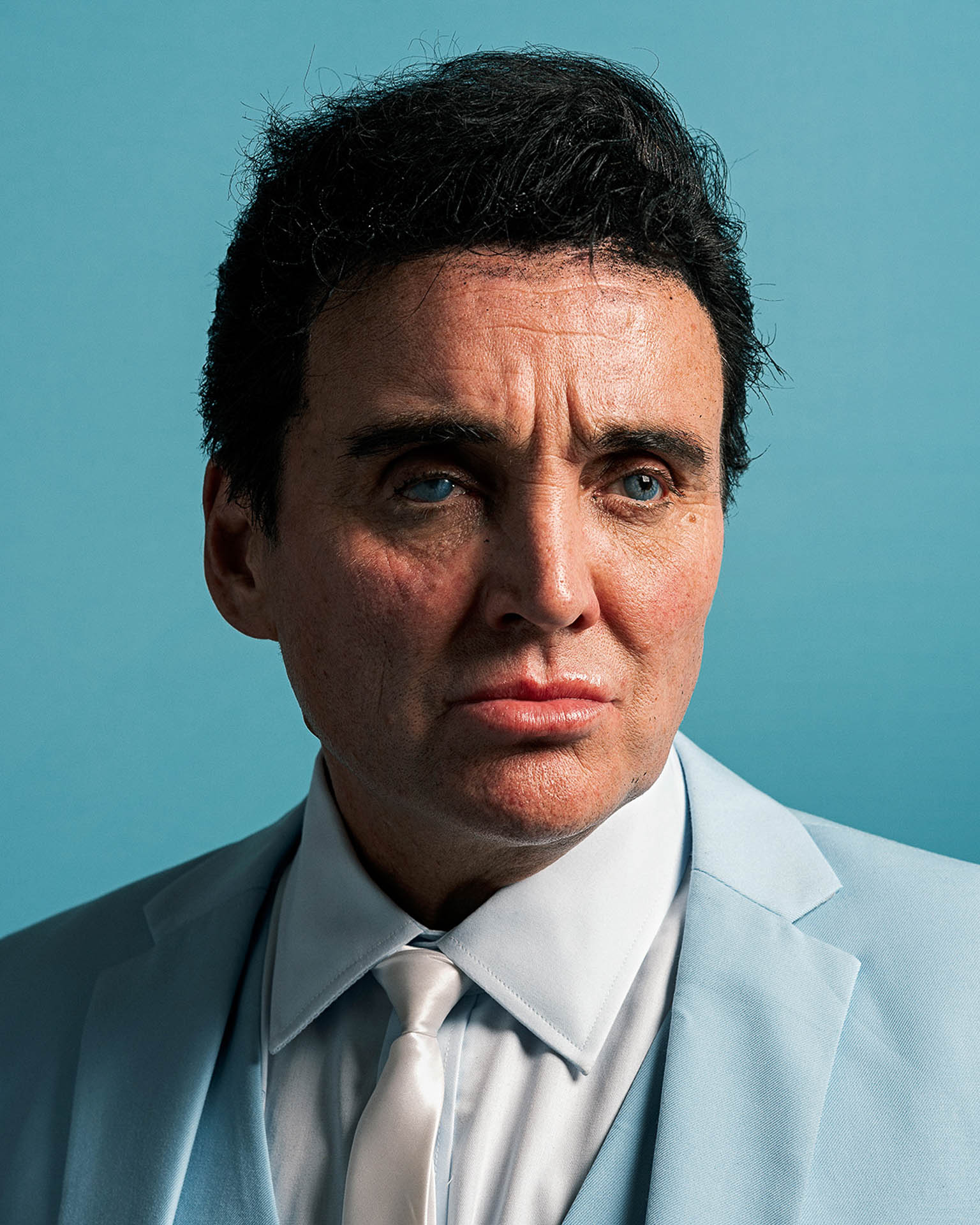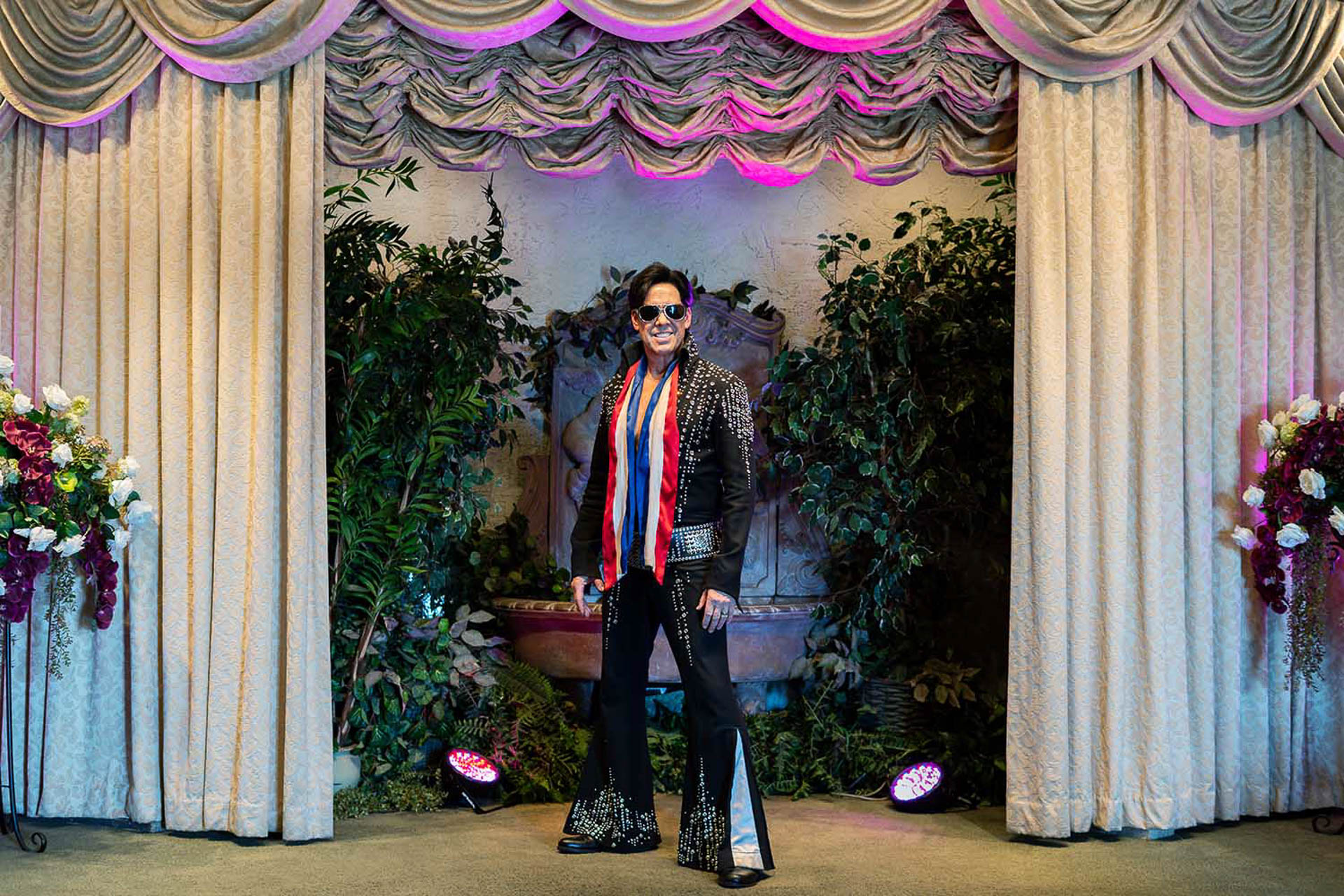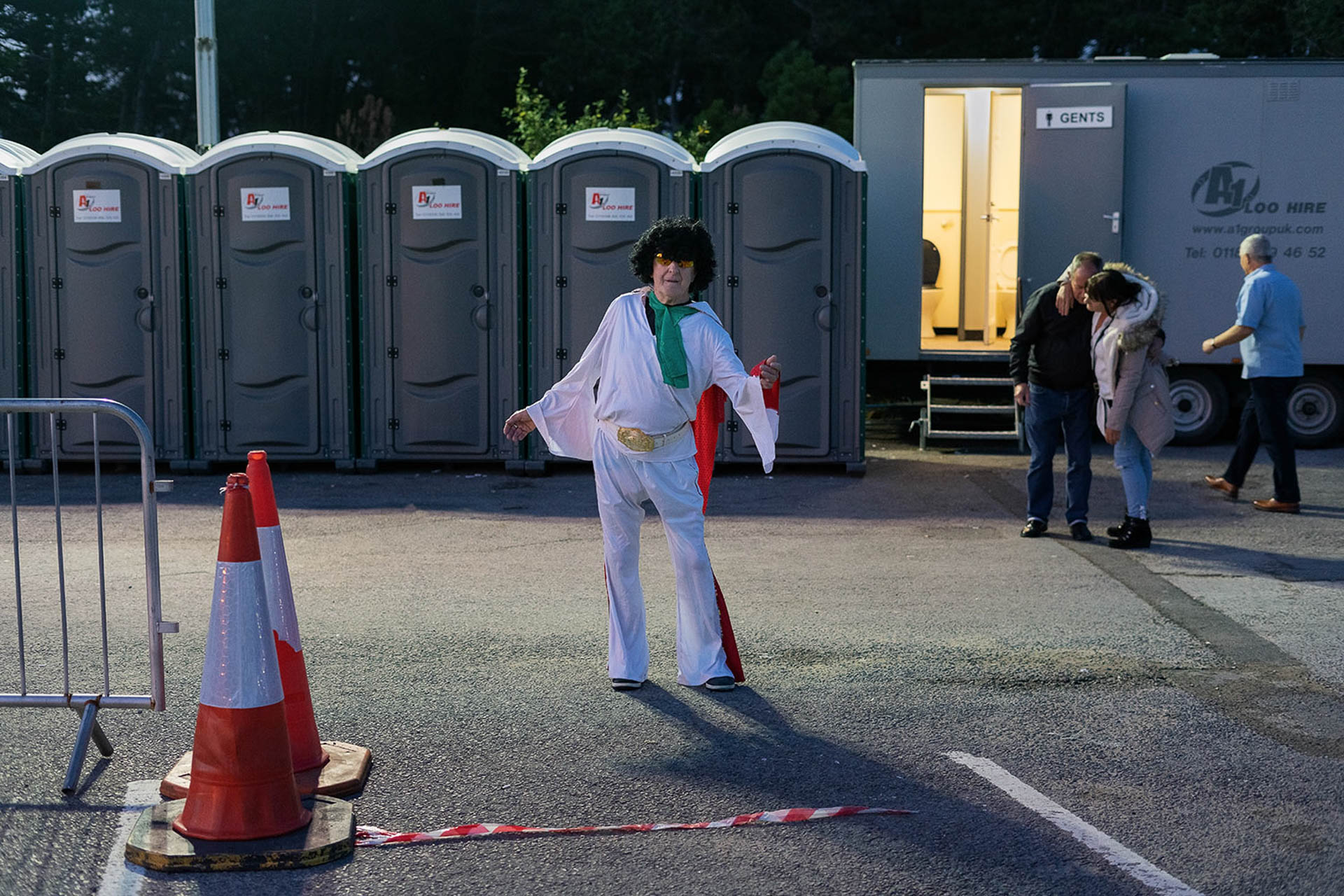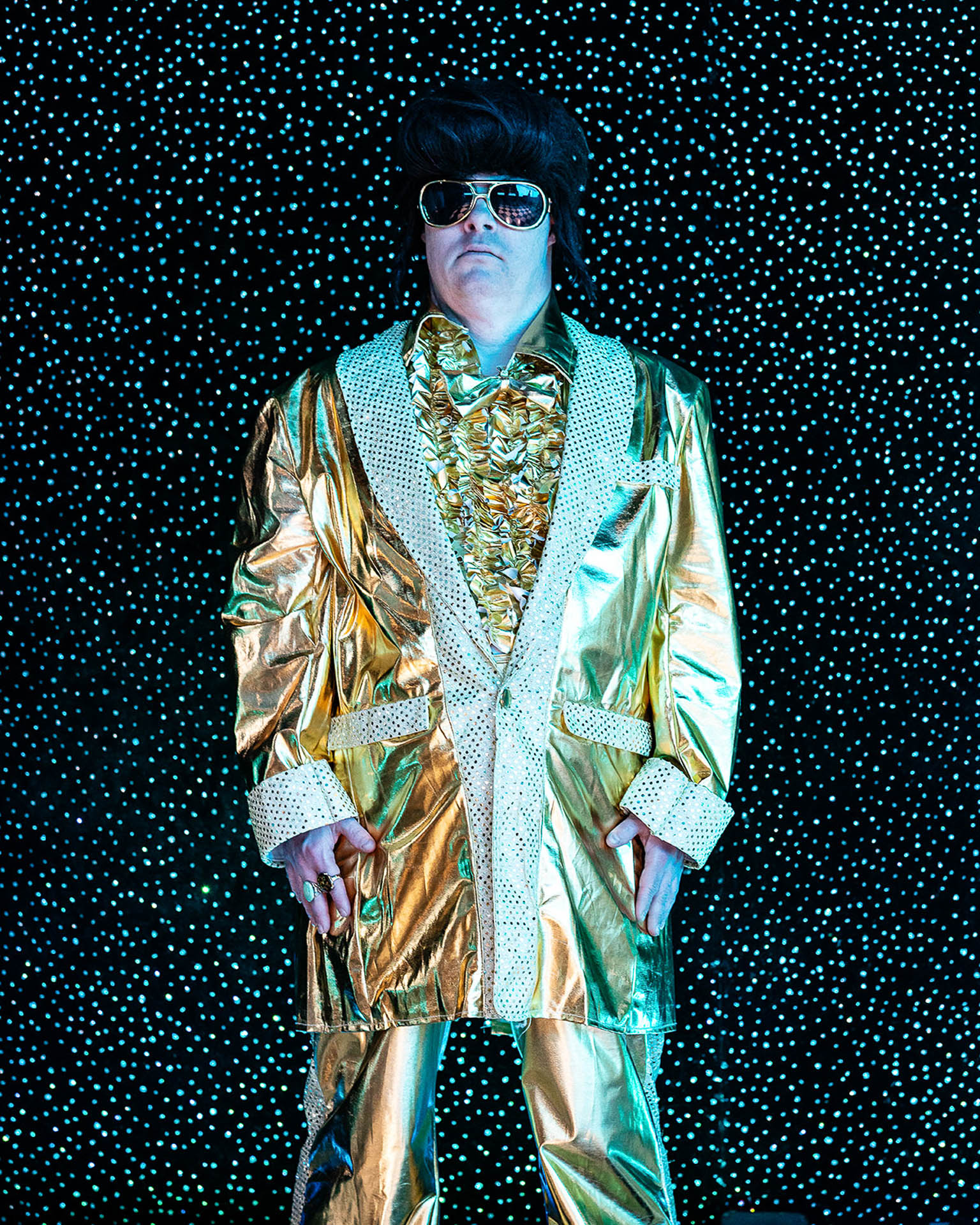


Over the past seventy years, the fan phenomenon has evolved from the mass adoration of pop idols to become a transversal emotional structure in contemporary culture. From Elvis to TikTok influencers, the figure of the idol has mutated from a distant object to an affective link, while the fan has become a symbolic producer, prosumer, and curator of themselves.
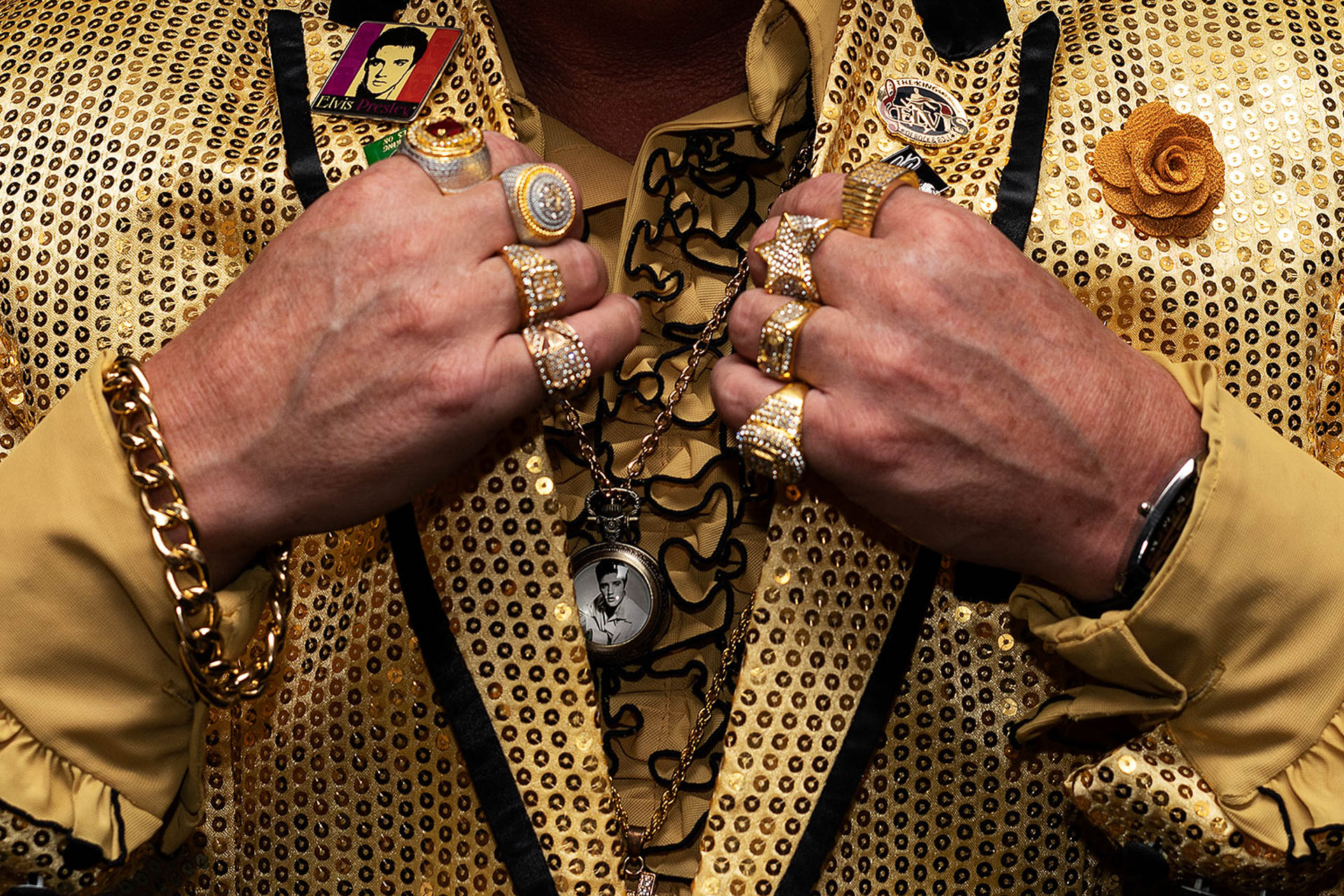
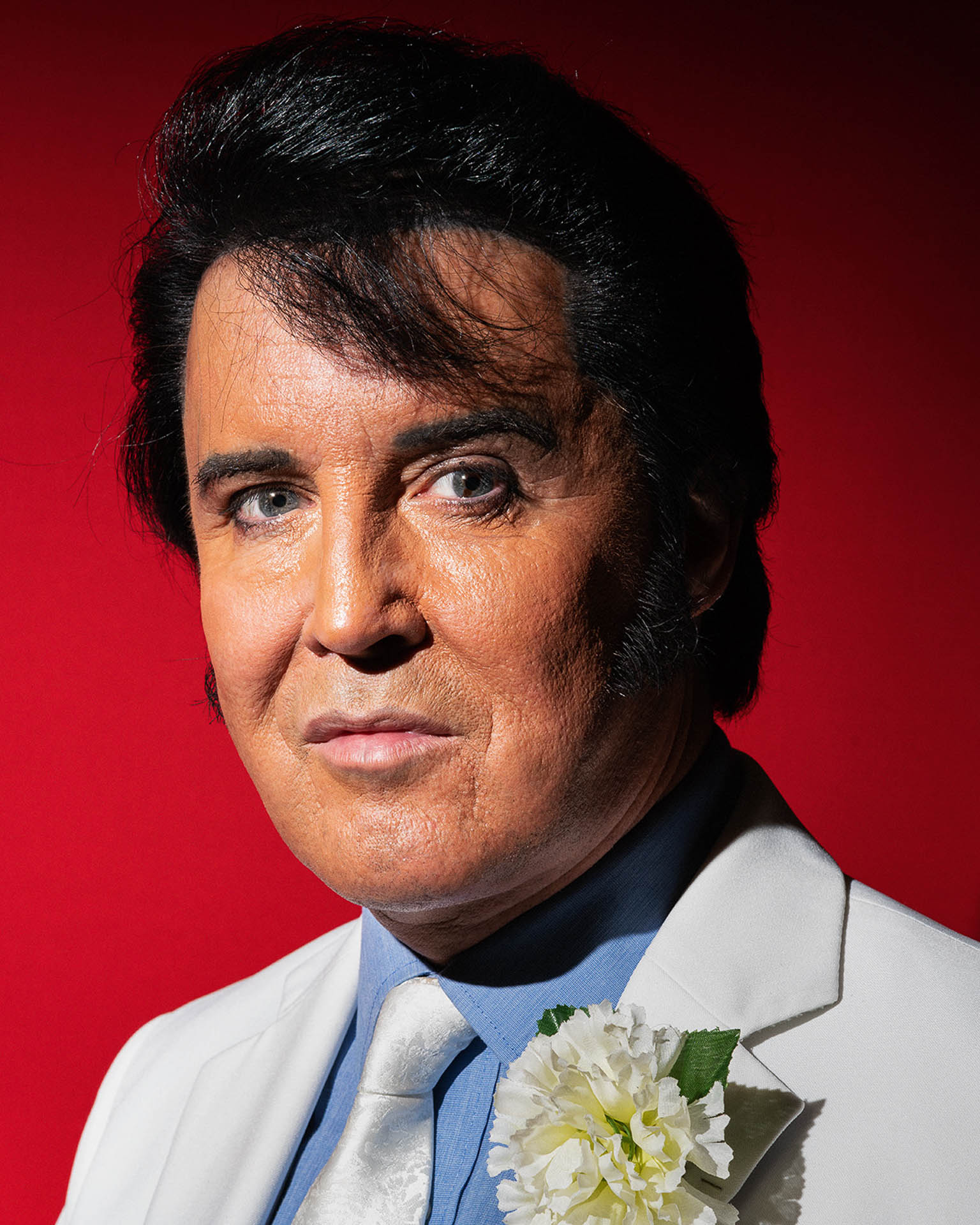
In this historical journey, the idol has gone from being an inaccessible star with a transgressive aura to a reproducible, viralizable, inhabitable interface. The figure of the tribute artist, traditionally relegated to the margins of the spectacle, emerges today as an essential node of this new regime of visibility. In a cultural ecosystem where the authentic and the simulated intertwine to the point of becoming indistinguishable, the imitator embodies a political gesture of reincarnation: a performance of esteem and devotion rather than mimesis.
The idol is no longer a body: it is a choreography, a silhouette, a vocal cadence. The tribute artist embodies this desirous repetition, like a living archive of fanaticism.
The logic of fandom has become naturalized to the point of becoming the dominant affective structure of our time. Being a fan is no longer an exception; it’s the default way of relating to the world.