FotoDoc
  • Home
  • Contest
    • FotoDoc Photo Contest 2026
      • Rules / SubmissionOPEN!
      • Selected Entries
      • Guidelines
    • FotoDoc Photo Contest 2025 – Winners
    • FotoDoc Photo Contest 2024 – Winners
    • FotoDoc Photo Contest 2023 – Winners
  • Festival
    • FotoDoc Festival 2025
    • FotoDoc Festival 2024
    • FotoDoc Festival 2023
    • FotoDoc Festival 2022
  • About
  • Portuguese (Brazil)
  • English
No Result
View All Result
  • Home
  • Contest
    • FotoDoc Photo Contest 2026
      • Rules / SubmissionOPEN!
      • Selected Entries
      • Guidelines
    • FotoDoc Photo Contest 2025 – Winners
    • FotoDoc Photo Contest 2024 – Winners
    • FotoDoc Photo Contest 2023 – Winners
  • Festival
    • FotoDoc Festival 2025
    • FotoDoc Festival 2024
    • FotoDoc Festival 2023
    • FotoDoc Festival 2022
  • About
  • Portuguese (Brazil)
  • English
No Result
View All Result
FotoDoc
No Result
View All Result
Within the Same Walls

The kitchen of Le Van Thinh, 81, and Nguyen Thi Dau, 80, who have lived in this apartment block since 1977. Layers of worn plaster and aging surfaces frame the space where they have prepared daily meals for nearly five decades.

Within the Same Walls

Viet Van TranbyViet Van Tran
10 de March de 2026
in Portfolio

Selected in Prêmio Portfólio FotoDoc 2026

Built during Vietnam’s Subsidy Period (1976–1986), these apartment blocks were designed for collective living at a time when resources were scarce and communities shared everyday space. For decades, teachers, factory workers, street vendors, and children have moved through the same stairwells, kitchens, and courtyards.

Today, as Hanoi undergoes rapid urban transformation, many of these buildings face demolition to make way for new high-rise developments. Some residents have already relocated, while others remain in apartments that have slowly deteriorated after nearly half a century of continuous use.

This series observes the final period of life within these collective housing complexes. It follows long-term residents — retired educators who arrived in the 1970s, workers adapting to shifting economic realities, elderly individuals living alone, and children growing up in buildings soon to disappear.

Together, the photographs trace a shared living environment where personal histories, aging architecture, and the transformation of the city intersect within the same walls.

Mr. Manh Anh, a folk dance teacher who has lived in this apartment block since 1978, sits before a mirror in his room. Surrounded by books accumulated over decades, he remains within the same walls that have framed his life and work for nearly half a century.
A factory worker who has lived in this apartment block since 1988, she spends her days off sewing garments for neighbors to earn extra income. In a small room lit by a single window, her work reflects decades of adaptation within the same walls.
The gritty reality of a welder stands in stark contrast to the glitz of the aviation industry inside a decaying apartment block. It is a sharp juxtaposition between the struggle of local livelihood and the aspiration for flight, all within a cramped space cloaked in time.
A resident of the apartment block since 2010, she pushes her bicycle through the narrow passage on her way to sell goods on the street, work she has done for more than ten years. Daily movement continues within walls often described only through decline.
Nguyễn Thị Nhi, 77, a retired factory worker, lives alone in a small apartment block within this aging housing complex. Nearly deaf, she folds her freshly washed clothes beneath fading posters as the old apartment blocks are scheduled for demolition.
Laundry hangs across the courtyard of a two-storey wooden collective housing block built in 1955–1956. Originally allocated to state employees and civil servants in the early decades after independence, these structures are now severely deteriorated and widely described as slum-like conditions in central Hanoi, raising concerns about safety as demolition plans advance.
Le Van Thinh, 81, a retired schoolteacher who has lived in this apartment block since 1977, adjusts a birdcage on his balcony. Surrounded by aging concrete and corrugated metal roofs, he now spends much of his time reading newspapers, drinking tea, and caring for his birds.
A rubber glove lies on a tiled surface beside a withered plant in an apartment recently vacated. Residents have begun relocating as the aging housing complex is scheduled for demolition to make way for new construction.
Nine years old, he has lived in this apartment block since birth. His parents moved here in 2010, and the stairwell where he pauses has been part of his entire world.

Open Call! Submit Your Work to FotoDoc 2026

Viet Van Tran

Viet Van Tran

Viet Van Tran (b. 1971, Hanoi, Vietnam) graduated with a Bachelor of Arts in Cultural Studies from the Hanoi University of Culture in 1996. He began his career as a journalist and is currently a senior reporter for Lao Dong Newspaper. Throughout his prolific career, he has held ten solo exhibitions—notably My Mum at the Photometria Festival (Greece)—and participated in over 85 group exhibitions across Asia, Europe, and the U.S., including a digital showcase at the Louvre Museum (Paris). With over 130 international awards to his credit, Viet Van has been recognized by prestigious organizations such as Px3 (France), IPA, Master Cup (USA), TIFA (Japan), ND Awards, Travel Photographer of the Year, and the Pollux Awards (UK). He is the author of nine books, including the EU-sponsored Dharma and Life. His work has been featured in leading publications like Photo (France), Silvershotz (Australia), and Dodho (Spain). In recent years, Viet Van’s practice has evolved from narrative documentary photography toward conceptual inquiry, examining the intersections of control and visibility within contemporary visual culture. A respected figure in the arts, he has served as a juror for Vietnam’s National Art Photography competitions and the Vietnam Film Festival. In 2025, he made his directorial debut with the documentary My Mother, winning Best Short Documentary and Best First-Time Director at the Cine Paris Film Festival. Viet Van Tran is represented by No Name Collective (NNC Gallery, London, UK).

Related Content

Related Posts

Better Days
Portfolio

Better Days

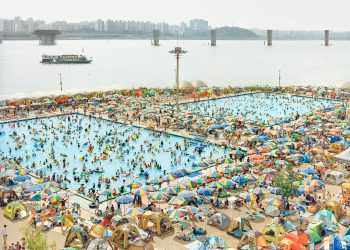
Over the past 40 years, South Korea has undergone rapid economic growth. However, this development has also produced social contradictions,...

bySeunggu Kim
25 de March de 2026
Serras
Portfolio

Serras

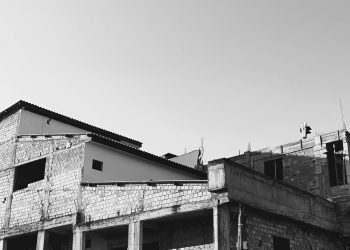
Estas fotografias foram feitas ao longo de cinco anos de andanças por parques nacionais e estaduais do sudeste brasileiro. Consistem...

byBruno Alvarenga
25 de March de 2026
Memória Urbanista
Portfolio

Memória Urbanista

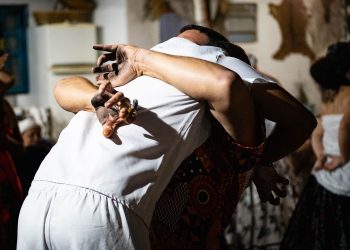
Os registros feitos por meio de uma câmera de celular — reforçando a ideia de democratização da arte e da...

byMarcos dos Santos
25 de March de 2026
Ilê Axé
Portfolio

Ilê Axé

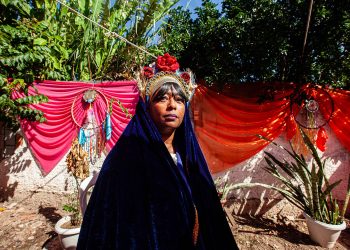
Na minha família, o Axé se encontra há muito tempo. Começando pela minha bisavó Dona Urselina e pelo meu bisavô...

byRodrigo ‘Seu Pacheco’
19 de March de 2026
Na Terra de São Jorge
Portfolio

Na Terra de São Jorge

Na Terra de São Jorge apresenta o Rio de Janeiro como um lugar onde o simbólico e o espiritual se...

byChantal Simone
19 de March de 2026
Ancestrale
Portfolio

Ancestrale

Ancestrale is a hybrid project combining photography and immersive video installation, developed through a long-term collaborative process with trans women...

bySilvia Rocchino
19 de March de 2026
  • Home
  • Contest
  • Festival
  • About
  • Portuguese (Brazil)
  • English
No Result
View All Result
  • Home
  • Contest
    • FotoDoc Photo Contest 2026
      • Rules / Submission
      • Selected Entries
      • Guidelines
    • FotoDoc Photo Contest 2025 – Winners
    • FotoDoc Photo Contest 2024 – Winners
    • FotoDoc Photo Contest 2023 – Winners
  • Festival
    • FotoDoc Festival 2025
    • FotoDoc Festival 2024
    • FotoDoc Festival 2023
    • FotoDoc Festival 2022
  • About
  • Portuguese (Brazil)
  • English

Vertente Fotografia © 2023