

“I didn’t know why I was photographing gypsies, but I did know that I was building something and that I had to embrace it all”. –Josef Koudelka.
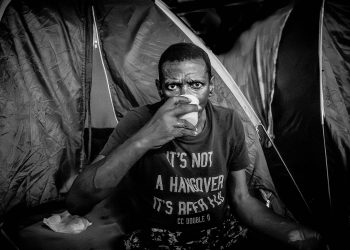
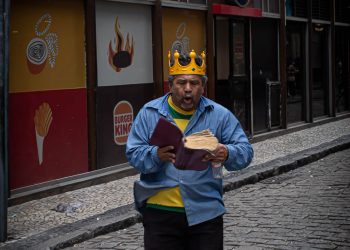
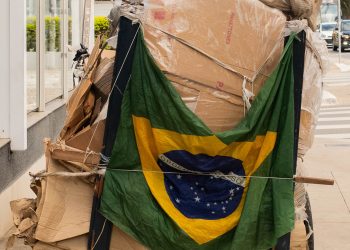
El Clot neighborhood has virtually disappeared, with the only remains left standing on the dockworkers’ block. Its inhabitants are invisible, mostly gypsy families who have occupied the abandoned apartments in the building.
Gypsies belong to Spain’s largest ethnic minority, a minority that is very heavily socially stereotypedand according to various surveys, also the group most harshly rejected by mainstream society.
This work is a reflection, a way to explore the world and understand it. Although El Clot is a slum Ihave not encountered either rejection or pain. They are, in short, impoverished but also happypeople, even openly proud.
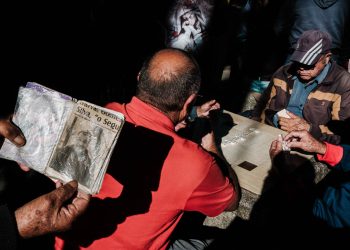
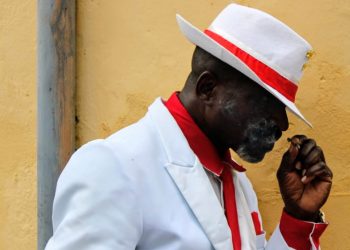
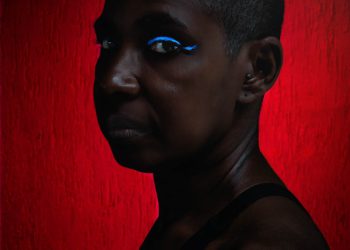
I seek an unbreakable but intimate portrait, direct but sensitive, objectively powerful but full ofpersonal emotion, the product of a commitment to them and their environment, trying to representboth their strength and vulnerability.
Present in the background there are, however, more ambitious objectives: methodicallydocumenting all aspects of gypsy culture, becoming a work about their identity.
Since 2013, I have been working on this project focused on a roma community living in the remainsof a nearly forgotten neighborhood. What began as a personal exploration of urban peripheriesquickly became a deeper, ongoing relationship with a place and its people. I believe in documentaryas a form of long-term engagement, where the photographer’s gaze is shaped not only byaesthetics, but by empathy and ethical care.
El Clot is not about illustrating poverty or confirming stereotypes. It is about resisting disappearanceof a neighborhood, a culture, and the individuals who inhabit both. Through portraiture and everydayscenes, I try to offer a counter-image to the dominant narratives that often surround gypsies.
As the municipal plans for the demolition of the building are now officially confirmed, I intend tocontinue documenting the life of this community throughout the final phase of its existence in ElClot. This period marked by uncertainty, resistance, and inevitable displacement represents acrucial chapter in the story I have been telling for over a decade. My ongoing presence aims notonly to witness the passage of time and the erasure of a physical space, but to preserve the dignity,complexity, and memory of those who have called it home.