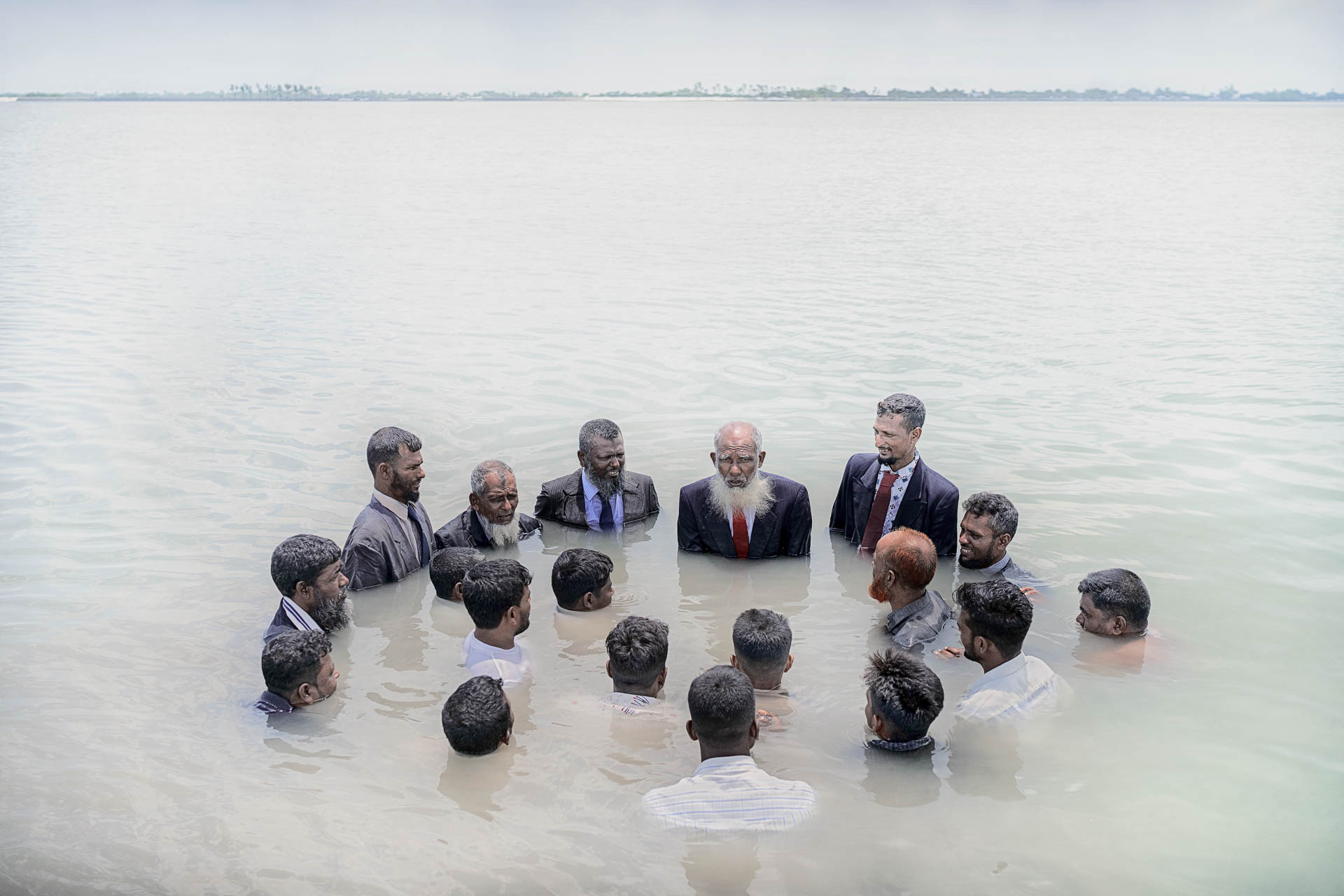
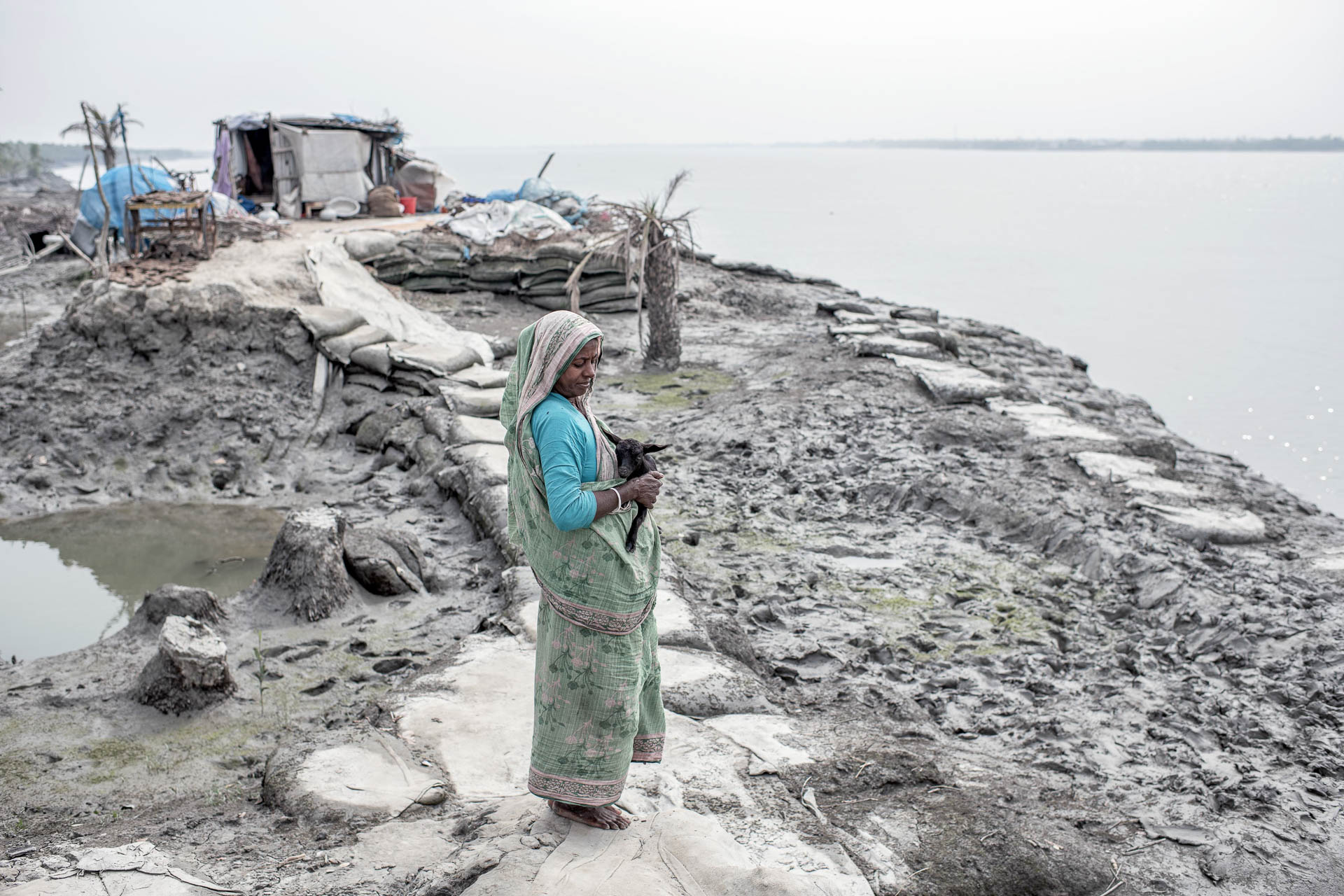
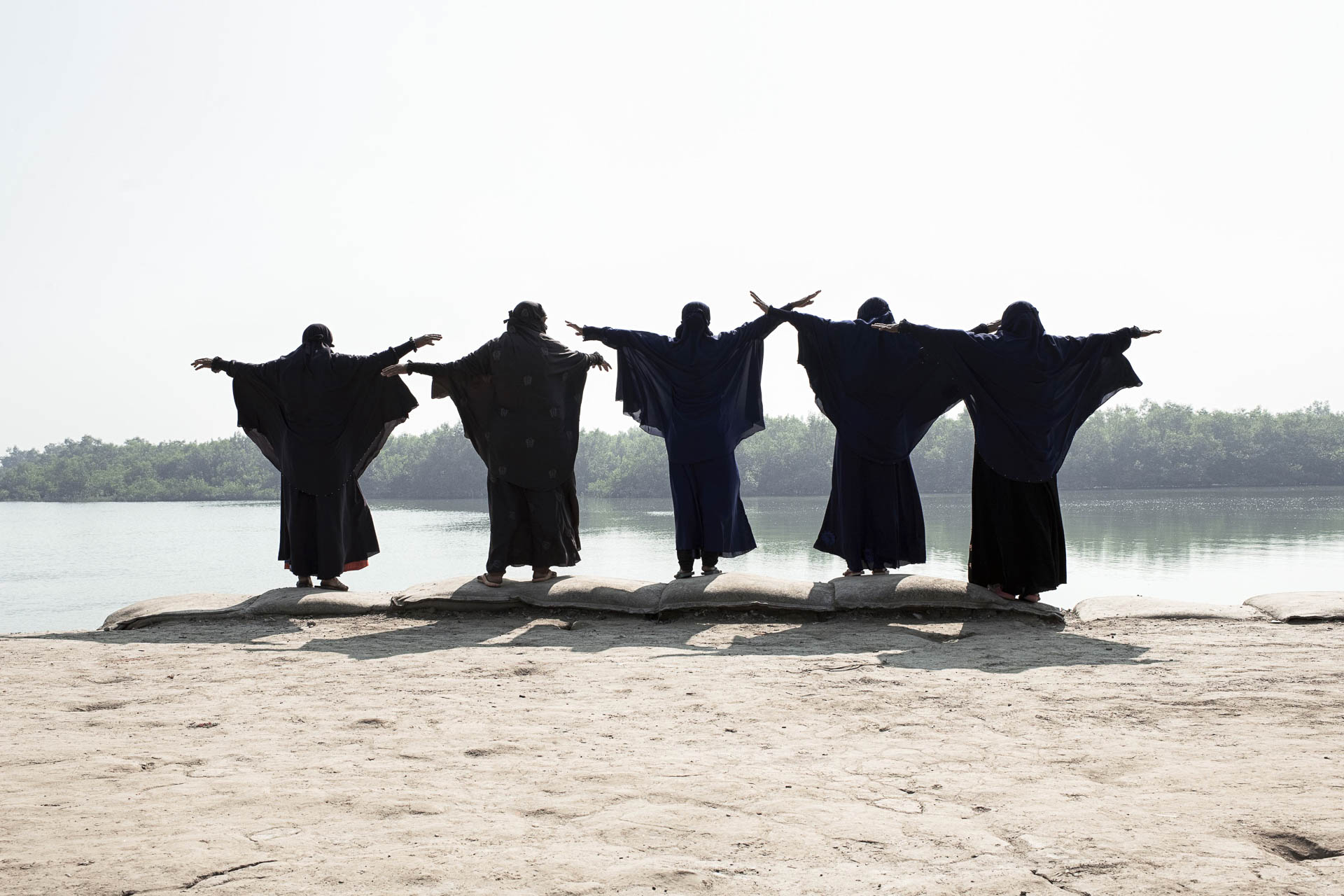
Global warming’s effects are alarmingly disparate. While certain regions experience moderate changes, others, such as Bangladesh, bear the brunt of intensified natural hazards, including storm surges and floods. Bangladesh’s vulnerability, epitomized by its coastal regions, is a heartrending consequence of climate change. Millions along its coasts are ironically tethered to the sea, which now jeopardizes their existence.
The Sundarbans Forest stands as a vivid symbol of this vulnerability. Encompassing a vast expanse rich in biodiversity, including the Bengal tiger, it is at significant risk of extinction. Located at the convergence of the Ganges, Brahmaputra, and Meghna rivers, the forest’s threats are twofold: escalating sea levels and extreme weather events. Alarmingly, the Intergovernmental Panel on Climate Change projects a potential 1-meter sea-level rise in the Bay of Bengal by 2100. This spells disaster for the Sundarbans, jeopardizing its unique ecosystem and affecting the livelihoods of countless residents. The repercussions, ranging from food and water scarcity to widespread displacement, ripple through neighboring communities.
The ramifications of global warming near the Sundarbans are not abstract but acutely tangible.
Countless residents face the threat of submergence and displacement. Extreme weather events jeopardize critical sectors such as fishing and agriculture. Additionally, health is at stake, with rising salinity linked to alarming conditions, including uterus cancers and fertility complications. These multifaceted challenges lead to heightened food insecurities and societal disparities.
Climate change has birthed a surge in “climate migrants” from vulnerable coastal regions to cities like Dhaka. This migration, though undertaken to pursue safety and opportunity, poses dilemmas, such as housing scarcity. Such profound transformations amplify the urgency for concrete global climate interventions. As global dialogues persist, immediate and effective actions are paramount to protect at-risk communities and precious ecosystems such as the Sundarbans. Future solutions require a blend of local fortitude and international synergy.
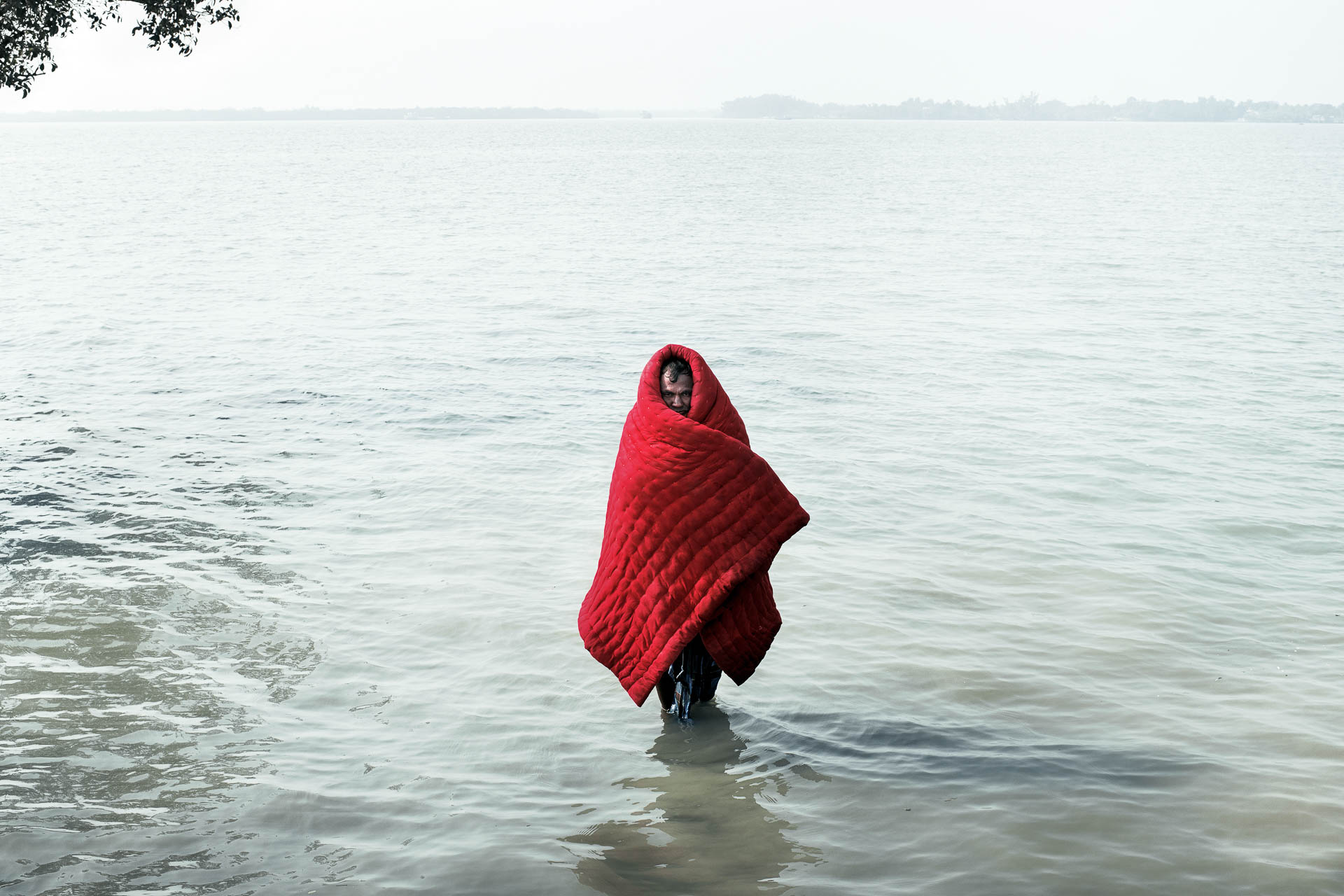
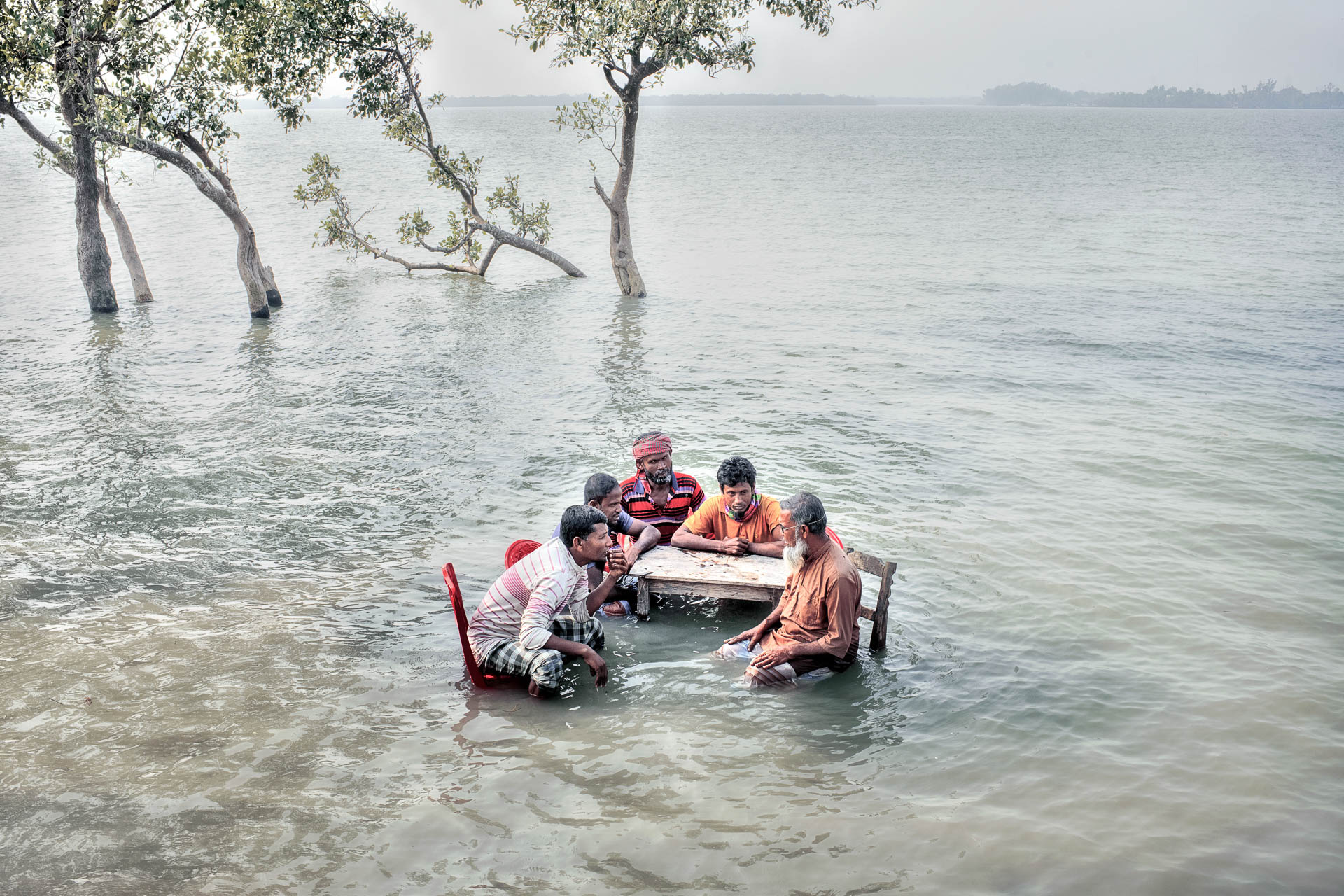
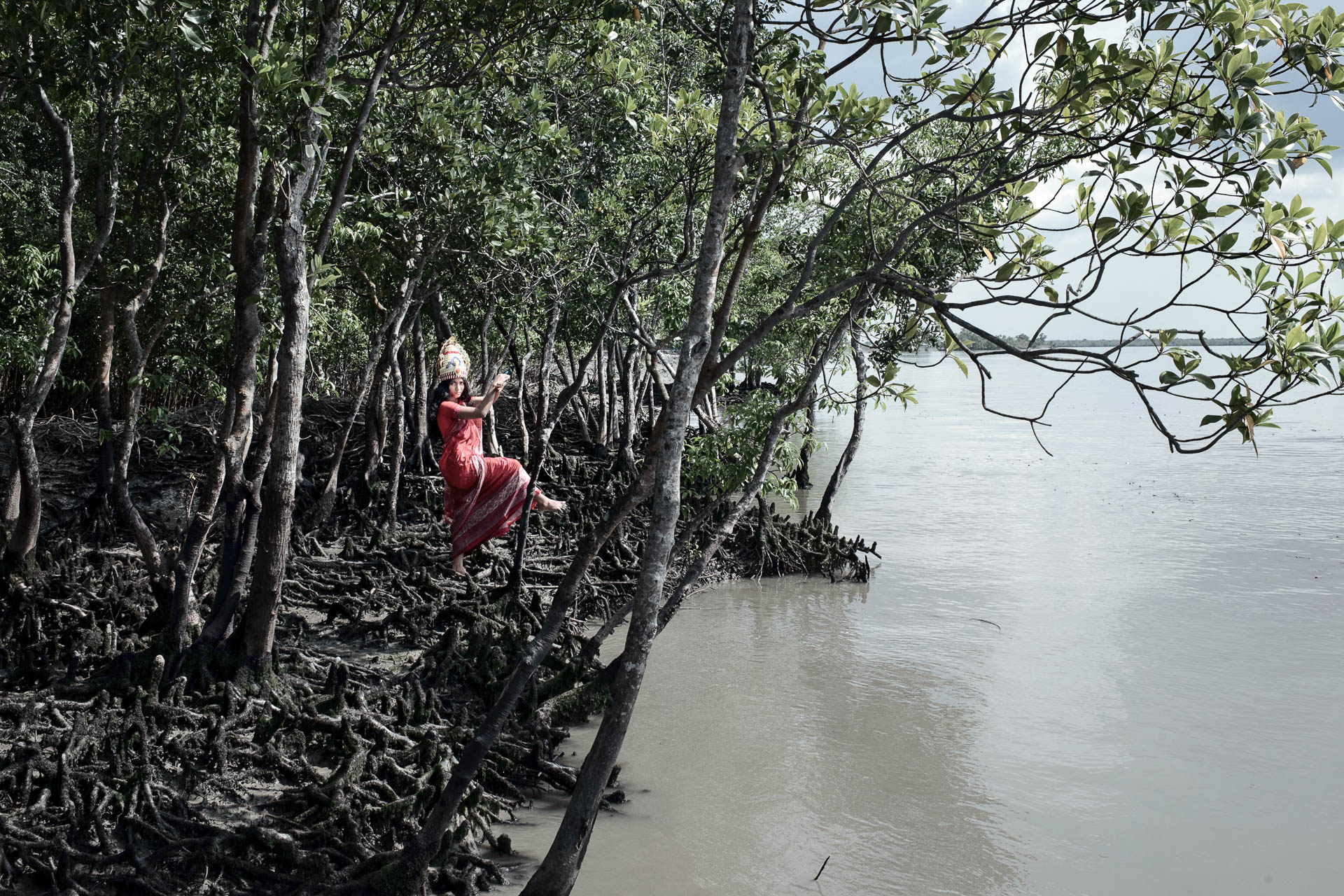
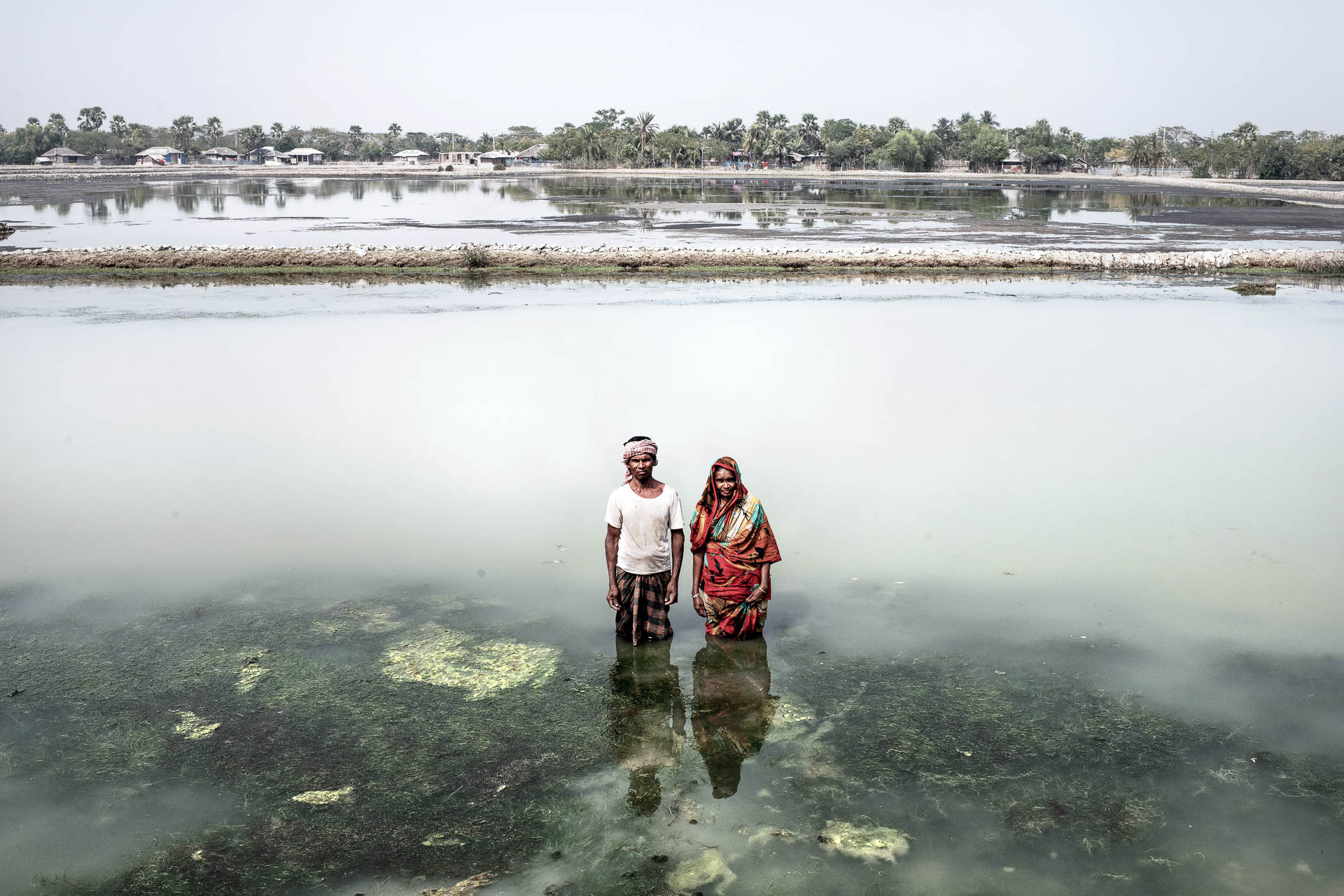
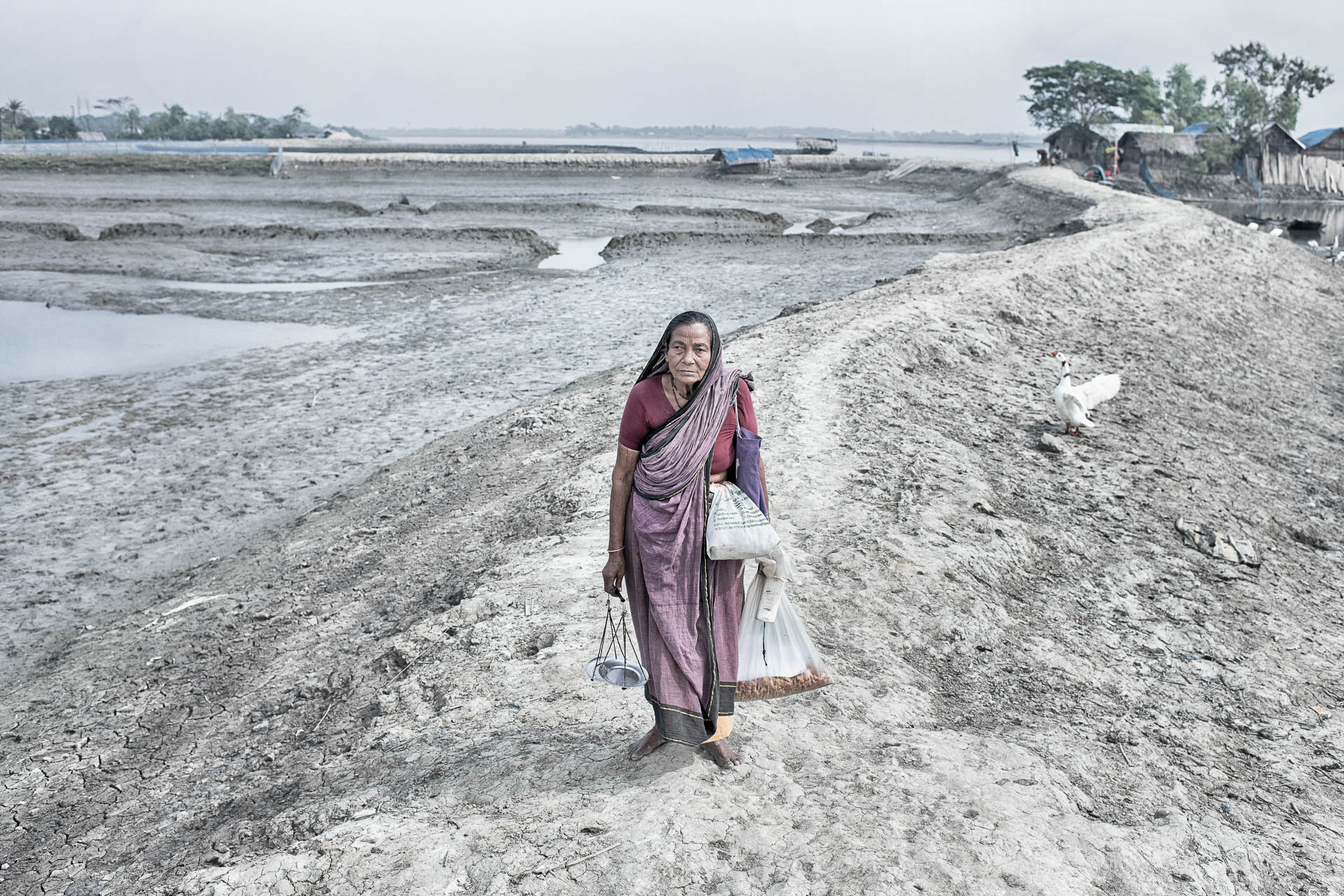
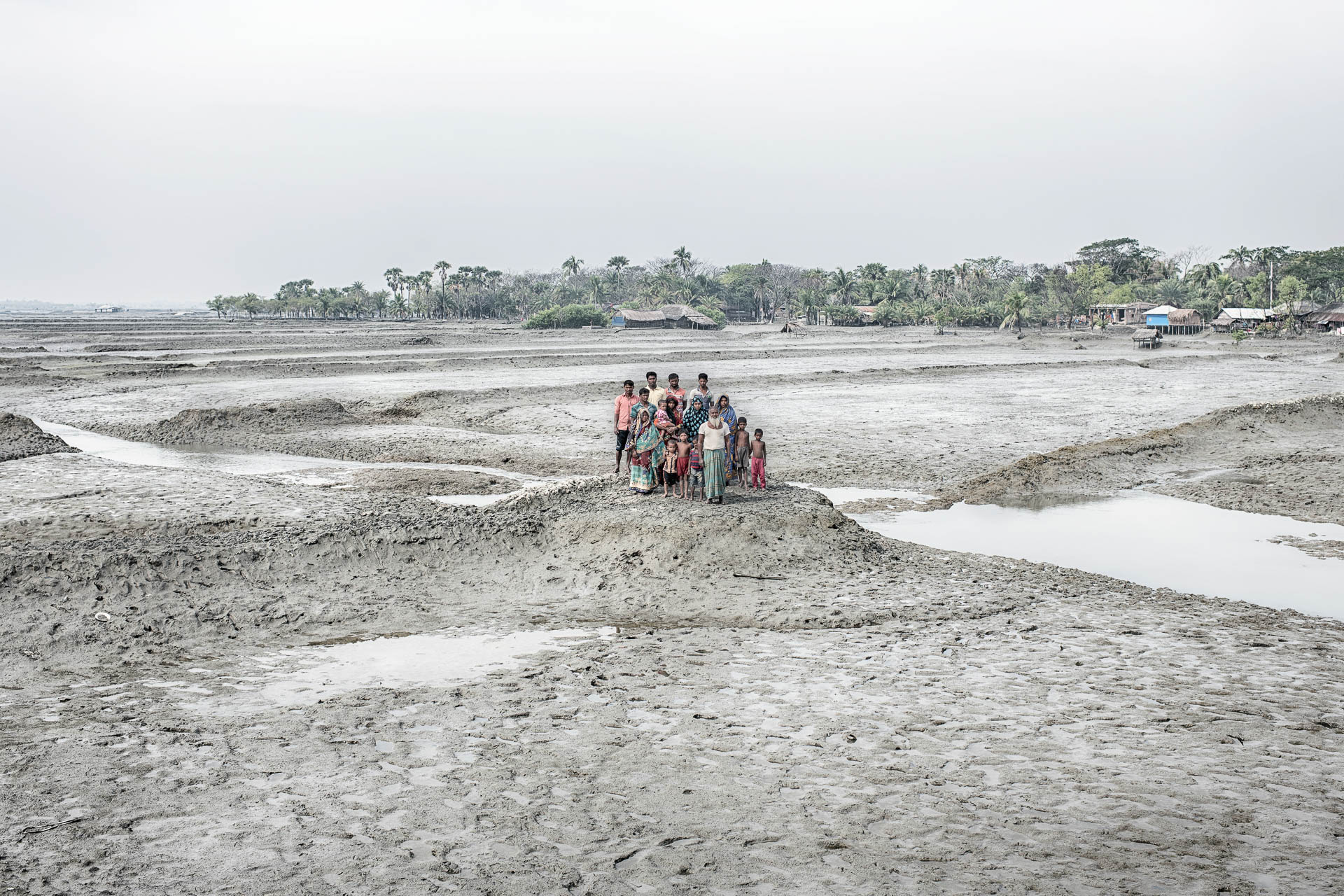
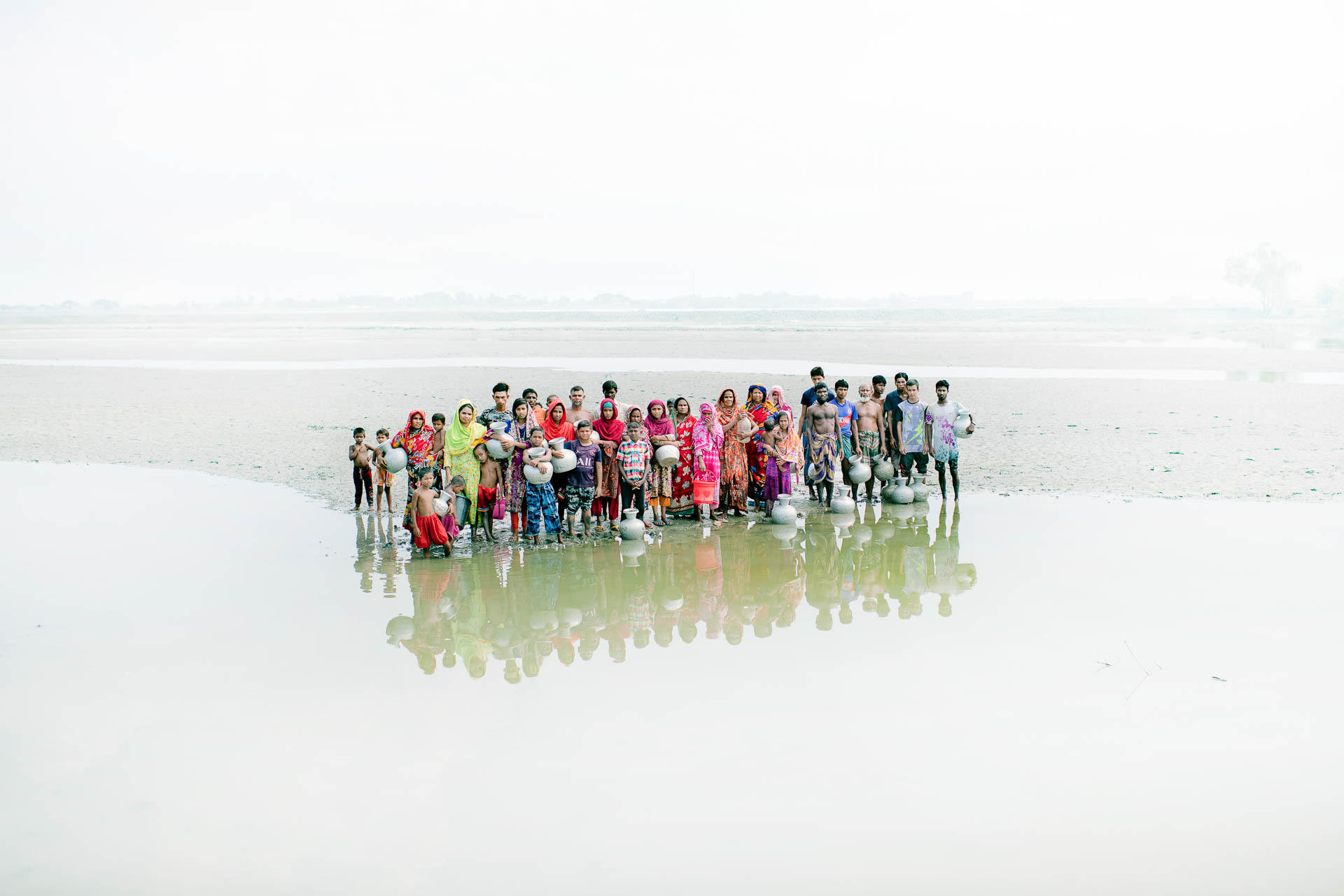
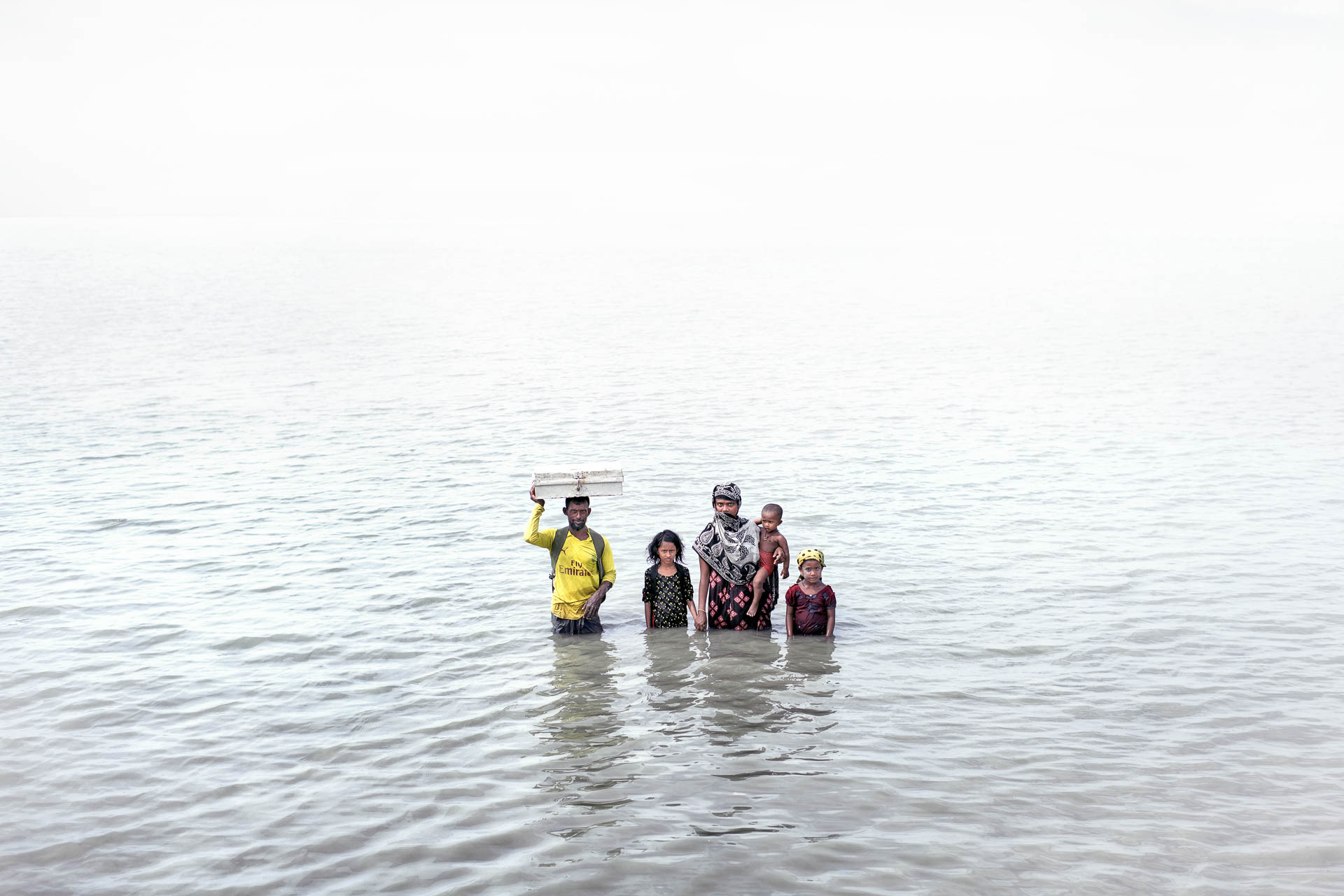
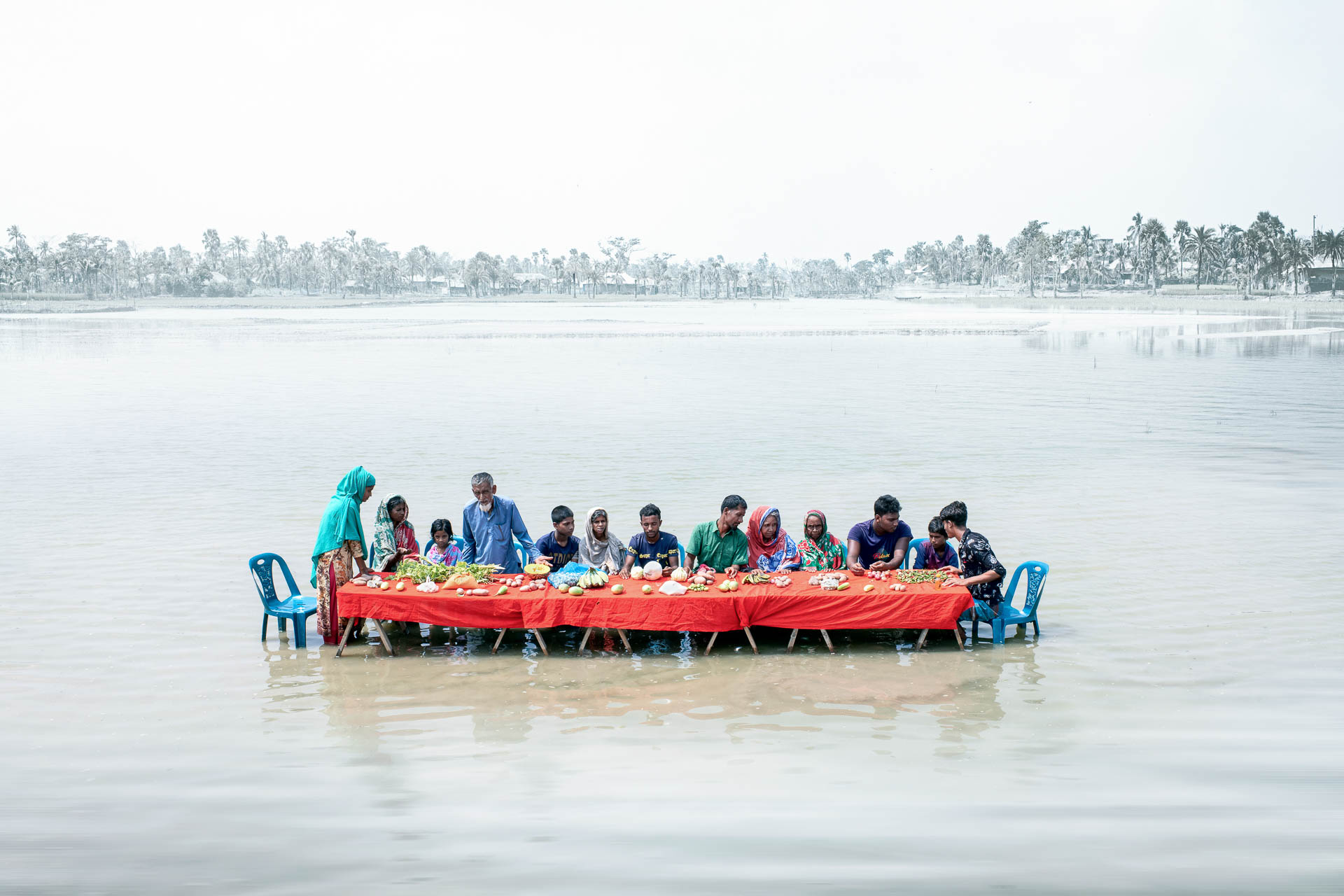
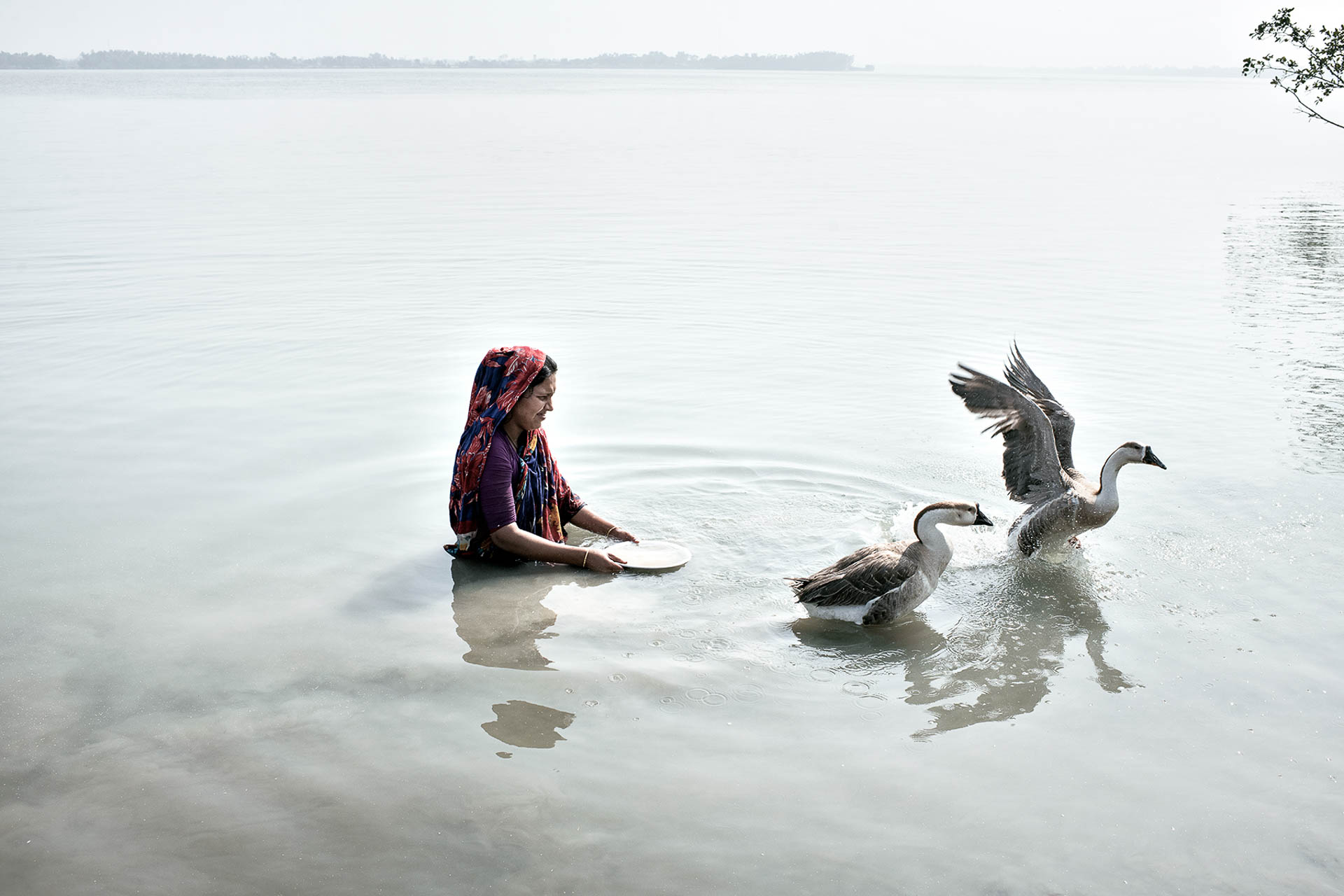
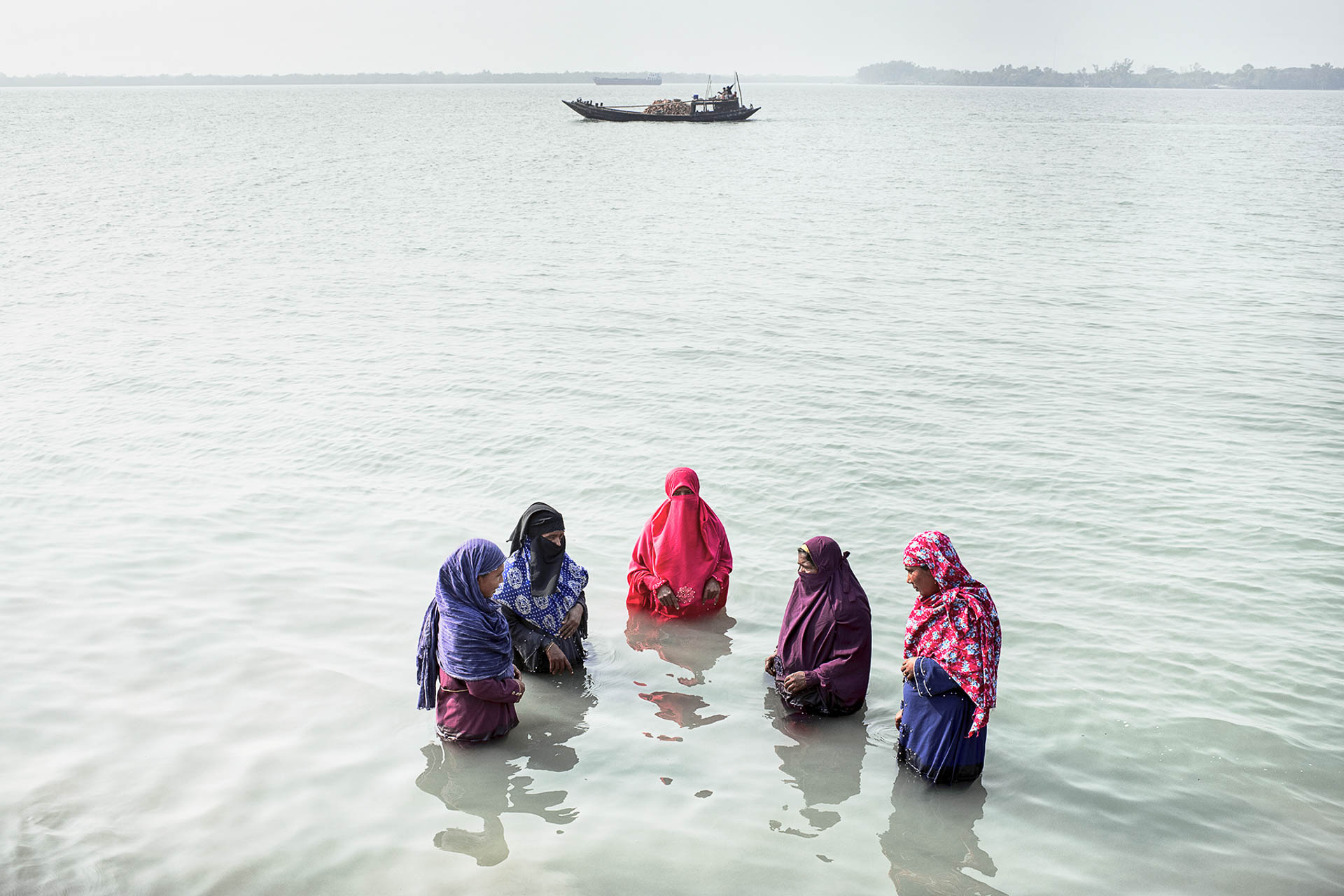
Climate conversations worldwide by world leaders have been occurring yearly, but more needs to be changed. People around the coastline areas of the Sundarbans Forest have been experiencing extreme weather conditions. Along with the flood, the cyclone brought seawater that caused permanent salinity. Regular water sources were damaged alongside crop fields, creating food insecurity. The land became barren, and trees could not sustain themselves due to soil salinity. Because of its geographical location, Bangladesh has to receive and drain out a massive volume of upstream waters. The flows of significant rivers originate from the Himalayas; due to the temperature rise, melting glaciers cause floods and waterlogging in many places around Bangladesh. Floodwaters seep into supplies used for drinking and washing, and latrines are washed away, allowing raw sewage to increase the threat of diseases such as cholera. Despite yearly climate talks, coastal Sundarbans areas endure extreme weather. Cyclones cause salinity, damaging water sources and crops, leading to food insecurity. Melting Himalayan glaciers cause floods, contaminating water and increasing disease threats like cholera in Bangladesh. Place: Satkhira, Bangladesh Date: 11 January 2023The Sundarbans, straddling Bangladesh and India, is a UNESCO World Heritage site with profound cultural importance. However, climate change, particularly rising salinity, imperils its residents and ecosystem. Increased salinity in drinking water correlates with health issues, notably higher uterus cancer rates. Moreover, intense heat and salinity are causing declining birth rates in Bangladesh’s coastal areas. This environmental crisis endangers residents’ health and the Sundarbans’ intricate ecosystem and centuries-old traditions. Central to this culture is the reverence for Banbibi, the forest’s guardian spirit, worshipped by Hindus and Muslims. Especially significant in Bangladesh, she symbolizes protection for those relying on forest resources. Meanwhile, in West Bengal, India, the deity Dakshin Rai, associated with the forest’s fauna, especially tigers, is predominant. Such traditions emphasize the deep connection between locals and the forest, underscoring the urgency to combat the environmental challenges encroaching upon this unique heritage. Place: Satkhira, Bangladesh Date: 26 September 2022“When my husband, Ruhul Amin Seikh, goes fishing, I wait for him by the river’s edge. Some days, when I do not feel sick, I join him in our small boat. I can barely support my husband as I am aging and suffering from diseases. Our children are separated. They have their families and are no longer able to provide for us. The forest is no longer providing us with food. After spending hours in the river, my husband returns with a few fish. We can hardly sell fish for 80 Taka (1 USD) daily. We starve or eat once as we grow older. Water is saltier than ever; our house is still broken after the cyclone, and now the coronavirus is killing us. We have almost no food for the coming days. We remain hungry; we remain thirsty.” – Fatema Khatun. Climate change severely threatens the Sundarbans. Rising sea levels and increased salinity harm the mangroves and reduce freshwater, impacting flora and fauna. More frequent and intense cyclones damage the forest and displace wildlife and humans. These changes threaten species like the Royal Bengal Tiger, as human settlements encroach their habitat. Place: Satkhira, Bangladesh Date: 17 February 2021“I started walking from early morning. Before the sun sets, I return to our village. I walk miles after miles and sell homemade crackers. My husband died 35 years ago. My only daughter is severely ill and her husband is bedridden too. Now if I can sell crackers my family will have something to eat. I can hardly earn 100 Taka ($1.5) if I can walk the whole day. Some days I can not move, my feet get swollen and my eyes hurt. We are not afraid of the virus but we fear hunger” – Arati Biswas, a 70 years old widow who lives at the shore of the Bay of Bengal doesn’t know what “Climate Crisis” is and why her food storage is getting shorter day by day. She doesn’t even have any idea about global or local economic recession as a result of Novel Coronavirus spread. She lives in the world’s most catastrophic zone at the world’s largest mangrove forest, the Sundarbans where hundreds of Royal Bengal Tigers nested their home but the frequent cyclones cannot sustain anyone, not humans, not animals, not other species. The scientists forecasted that the whole coastal belt of Bangladesh around the Sundarbans will be drowned by the seawater by 2050.“We are left with one bucket of rice and some vegetables for our twenty-one members’ family. Since the virus hit, we are no longer allowed to go fishing. In the last seven months, I entered the jungle for only seven days. My sons are trying to work as laborers now. But there is very little work now. Our lands went into the river, with every passing year calamities are hitting us hard. There is little drinkable water left in the area and now the devastation of this pandemic is going to kill us with the scarcity of food. Our children are hungry all the time. When again will we be able to eat a proper meal, we do not have any idea”? – Motiar Rahman Gazi, 60 years old has a big family to feed. But this pandemic has hit hard to this already vulnerable family in Ahsasuni at the Bay of Bengal. Their land is gone in the river and now their survival is depending on the work they do for a living. The family has no way other than starving but for how long, that is what they are more concerned. The scientists forecasted that the whole coastal belt of Bangladesh around the Sundarbans will be drowned by the seawater by 2050.Climate change disproportionately affects women and children, deepening their health, food, water, and sanitation vulnerabilities. In Bangladesh, increasing hazards such as cyclones and rising sea levels heighten physical threats like death, disease, malnutrition, and abuse, and social challenges like displacement, trafficking risks, and loss of education and property. Rural women, vital to agriculture, face direct repercussions when disasters strike, impacting income and food quality. Moreover, groundwater salinity in coastal areas has diminished safe drinking sources, necessitating long, perilous journeys for water, often across rivers. Recurring cyclones, water scarcity, and food shortages drain the energy of women and children. As a result, the coast witnesses elevated school dropouts and child marriages. Malnourishment and diseases further impede learning. Disastrous climate events, like cyclones Sidr and Aila, have decimated school infrastructure and resources, particularly near the Sundarbans, accentuating the urgency of climate action. Place: Satkhira, Bangladesh Date: 28 September 2022A fisherman family migrates to Narayanganj from Satkhira to work in a brickmaking factory. Many climate victims work in brick factories or pull rickshaws in the cities to support their families back in their villages. Local migration continuously happens due to climate change in Bangladesh. Fishing communities in Bangladesh report that the availability of many local species has declined along with the silting up of river beds, changes in temperature, and earlier flooding. Communities cope by selling labor, migrating, and borrowing money from lenders. The unemployment rate has increased as local farmhands lose their jobs due to the scarcity of agricultural land. Shrimp farming, on the other hand, is comparatively much less labor-intensive. As a result, many migrate to wealthier areas while others depend on Sundarbans’ forest resources. However, the help from the Sundarbans is limited, and their regenerative capabilities could be faster. Shrimp farming in the coastal areas is a lucrative business. The increase in salinity is likely to jeopardize shrimp farming. For the last few decades, increased attention has been given to sea fish and brackish water fisheries. Shrimp farmers occupy agricultural lands, and holes are dug from the dam illegally to bring and direct the saline water onto the mainland. It results in permanent soil salinity that affects the local ecosystem. Bangladesh is one of the top ten prawn producers in the world. Using chemicals and antibiotics for extensive farming in naturally flooded areas or artificially occupied lands makes the ecosystem disappear. Place: Satkhira, Bangladesh Date: 30 September 2022“Six months ago, during Cyclone Amphan, I lost my cattle and all domestic animals. Since then, I have continued living in our wrecked house all alone. My children have left for the city to find jobs. They were not able to return due to the lockdown. I started to raise animals again and protect them all the time. The river is coming close; I might lose my broken home someday. I used to work at people’s houses in return for food. When I could not assist with household chores, I went fishing. There is no work in this locality; we hardly catch fish. I have little left to eat. How am I going to survive in so much struggle? I do not know.” – Helena Begum. Place: Satkhira, Bangladesh Date: 24 November 2020The Sundarbans Forest, spanning Bangladesh’s coastal districts like Satkhira, Khulna, and Bagerhat, is on the front lines of climate change, notably affecting women’s health. Rising salinity, a result of sea-level increments and diminished freshwater supply, contaminates drinking water and farmlands.This increased salinity is now tied to health concerns, notably an uptick in uterus cancer rates among women. The environment’s shift also impinges on female reproductive health, with heightened heat and salinity suspected to lower fertility and reduce birth rates in the region. This confluence of climate change and health challenges highlights the vulnerability of coastal women in Bangladesh. Their pivotal role in managing water for households gets even more demanding with dwindling freshwater availability, heightening their health risks. Tackling climate impacts in the Sundarbans necessitates prioritizing women’s health, ensuring access to potable water, endorsing salinity-tolerant crops, and amplifying health risk awareness. Place: Satkhira, Bangladesh Date: 10 January 2023The Sundarbans, the world’s largest mangrove forest straddling India and Bangladesh, is alarmingly at the forefront of the regions most affected by rising sea levels. Scientists and climate experts have consistently warned of the vulnerability of this unique ecosystem to the consequences of global warming. A study published in the journal “Environmental Research Letters” stated that the Sundarbans might become uninhabitable by 2100 due to rising sea levels if no substantial mitigation efforts are undertaken. This inundation would not only lead to submerging a significant portion of the forest. However, it would also have profound ramifications for the region’s rich biodiversity, including its iconic Bengal tigers. Beyond its environmental significance, the Sundarbans are also home to millions whose livelihoods and way of life are deeply intertwined with the forest. The expected drowning of the Sundarbans by seawater would not just be an ecological disaster but would also translate into a grave humanitarian crisis. Displacement of communities, loss of livelihoods, and heightened vulnerabilities to climate-induced calamities are anticipated to be among the chief challenges. The global community, recognizing the unique importance of the Sundarbans, has called for urgent and coordinated efforts to counteract this looming threat. As the reality of these forecasts sets in, it becomes increasingly evident that regional and global interventions are crucial to preserving this irreplaceable world heritage site. Place: Satkhira, Bangladesh Date: 29 September 2022Four fishermen’s families brought their remaining storage of food to the table. They are locals of an island adjacent to the Sundarbans Forest in Bangladesh, where they live in harsh conditions. The river constantly erodes lands, cyclones are an annual affair, and relocation is repeated. On the other hand, climate change and the impact of the coronavirus pandemic are nibbling away at whatever peace they had left. Bangladesh, the world’s largest delta, is a direct victim of global warming. Increased natural disasters like cyclones and oceanic tidal waves affect Bangladesh’s coastal area. The coastal lowlands of this country have millions who, ironically, depend on the sea for their livelihood. Bangladesh’s low-lying coastal areas are speculated to be submerged due to sea-level rise as the world temperature increases. Immediate natural calamities like cyclones and tidal floods worsen the situation. As rising sea levels and unusually high tidal waves encroach upon the lowlands of Bangladesh, the coastal areas face increased salinity. When the upstream water flows reduce drastically in the dry season, the saline water goes up to 240 kilometers inside the country and reaches distant regions. This has meant that agricultural activities and cropping strength have changed; farmers cannot grow various crops yearly. Food and work opportunities are getting reduced. Another factor that helps the continuous proliferation of salinity on the mainland is shrimp cultivation, which involves trapping seawater in agricultural lands for a long time. Fig can grow faster in saline areas. Around coastal regions of Sundarbans, the increase of fig trees is a sign of an alarm that the other species that cannot adapt to the salinity may disappear. Place: Satkhira, Bangladesh Date: 28 September 2022Bangladesh is the scapegoat of global warming, with the Sundarbans inhabitants seeking global attention. The Sundarbans, the world’s largest mangrove forest, spans 140,000 hectares across the delta formed by the Ganges, Brahmaputra, and Meghna Rivers. Mostly in Bangladesh, with parts in India, it’s a UNESCO World Heritage site since 1987. This ecological marvel in the Bay of Bengal hosts 260 bird species, the Royal Bengal Tiger, and endangered species like the estuarine crocodile and Indian python. Climate change also affects agriculture, leading to food insecurity. Women, especially pregnant and breastfeeding mothers, face malnutrition and related health issues. Using biomass fuels for cooking in poorly ventilated spaces, combined with saline air, increases respiratory infections and chronic conditions. Saline drinking water links to higher hypertension rates, risking cardiovascular diseases. An integrated approach is needed for clean water, healthcare, nutrition, and education. Projections show the Sundarbans could be 70% submerged by 2100, exacerbating land loss and causing mass exodus. Place: Sundarbans Mangrove Forest Area, Satkhira, Bangladesh Date: 25 June 2024Women around coastline areas of Bangladesh face increased salinity, a significant cause of uterus cancer. People around coastlines near Sundarbans have turned to catch young shrimps from rivers where women and young children are involved in the daylong, degrading marine ecology and biodiversity. Due to the lack of work opportunities, women have no choice but to catch baby shrimp from coastal rivers, which they sell in the local market. A significant number of agents work for big shrimp firms to buy baby shrimps that are sold to consumers. The subsequent saline water consumption harms the skin, the menstruation cycle, and, more seriously, an unborn child. The link between the increase of uterus cancer and infertility to salinity is being researched. Place: Satkhira, Bangladesh Date: 12 January 2023Besides human lives, erosion decreases plant species, such as the Sundari (Heritiera fomes) mangrove tree, a keystone tree in the Sundarbans. The corrosion will soon lead to a mass exile of humans and other species. Sundari is the building block for constructing the Sundarbans and occupies 70 percent of the forest. The International Union for Conservation of Nature (IUCN) has declared it the most endangered plant species, where more than 40 species of amphibians, reptiles, birds, and mammals are measured censoriously vanishing. With the rapid increase of salinity in the land and rivers, researchers have warned that the entire ecosystem may face the risk of extinction. It may not only reduce the area of the Sundarbans and its animals like tigers, deer, monkeys, birds, crocodiles, dolphins, and other species, but it will also relocate a vast population to other cities. Place: Satkhira, Bangladesh Date: 11 January 2023
Mohammad Rakibul Hasan is a Bangladeshi-born documentary filmmaker, photographer, and visual artist whose work bridges humanitarian storytelling, social justice, and environmental advocacy. With more than two decades of experience, his practice spans documentary filmmaking, humanitarian photojournalism, and long-form visual research addressing human rights, political realities, social development, and climate change. Hasan contributes internationally as a visual journalist to outlets including the Thomson Reuters Foundation, Al Jazeera, ZUMA Press, Inter Press Service, Le Monde, and The Daily Star.
Hasan’s academic path complements his professional work. He holds a One-Year Certificate in Creative Practices from the International Center of Photography (ICP), New York; a BA (Honours) and Postgraduate Certificate in Photography from Falmouth University; an Undergraduate Certificate in Art History and Philosophy from Oxford University; a Postgraduate Diploma in Photojournalism from Ateneo de Manila University; and a degree in Film and Video Production from the University of Sydney.
His work has received major international recognition, including the Lucie Award, One World Media Award, Human Rights Press Award, Allard Photography Prize, and PX3. His recent films, The Taste of Honey and Forget-Me-Not, have won multiple awards and screened widely at international film festivals. Hasan has produced over fifty documentary films for organizations such as WaterAid, UN Women, and the British Red Cross, and is represented by °CLAIR Galerie, Switzerland.
Ancestrale is a hybrid project combining photography and immersive video installation, developed through a long-term collaborative process with trans women...