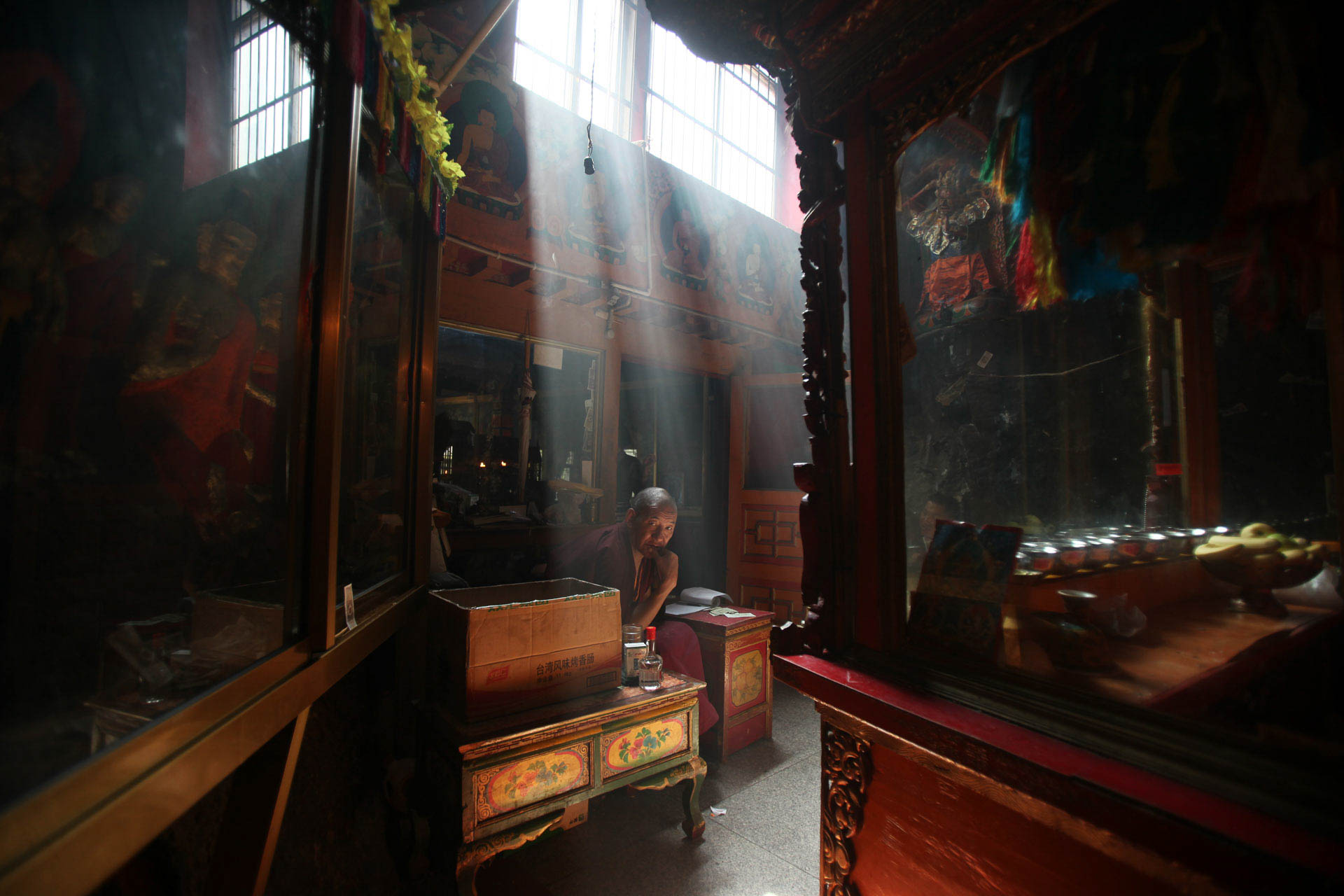
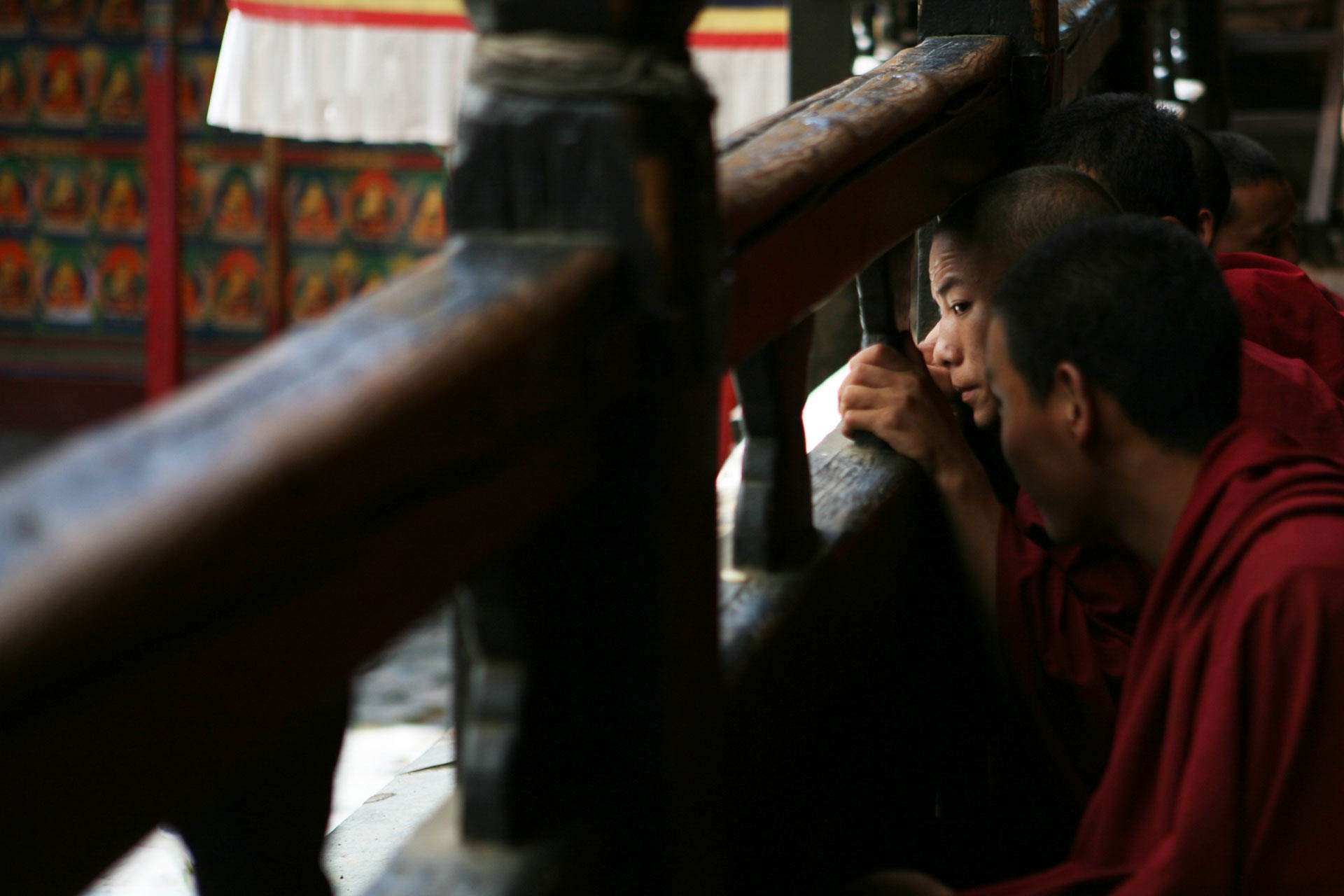
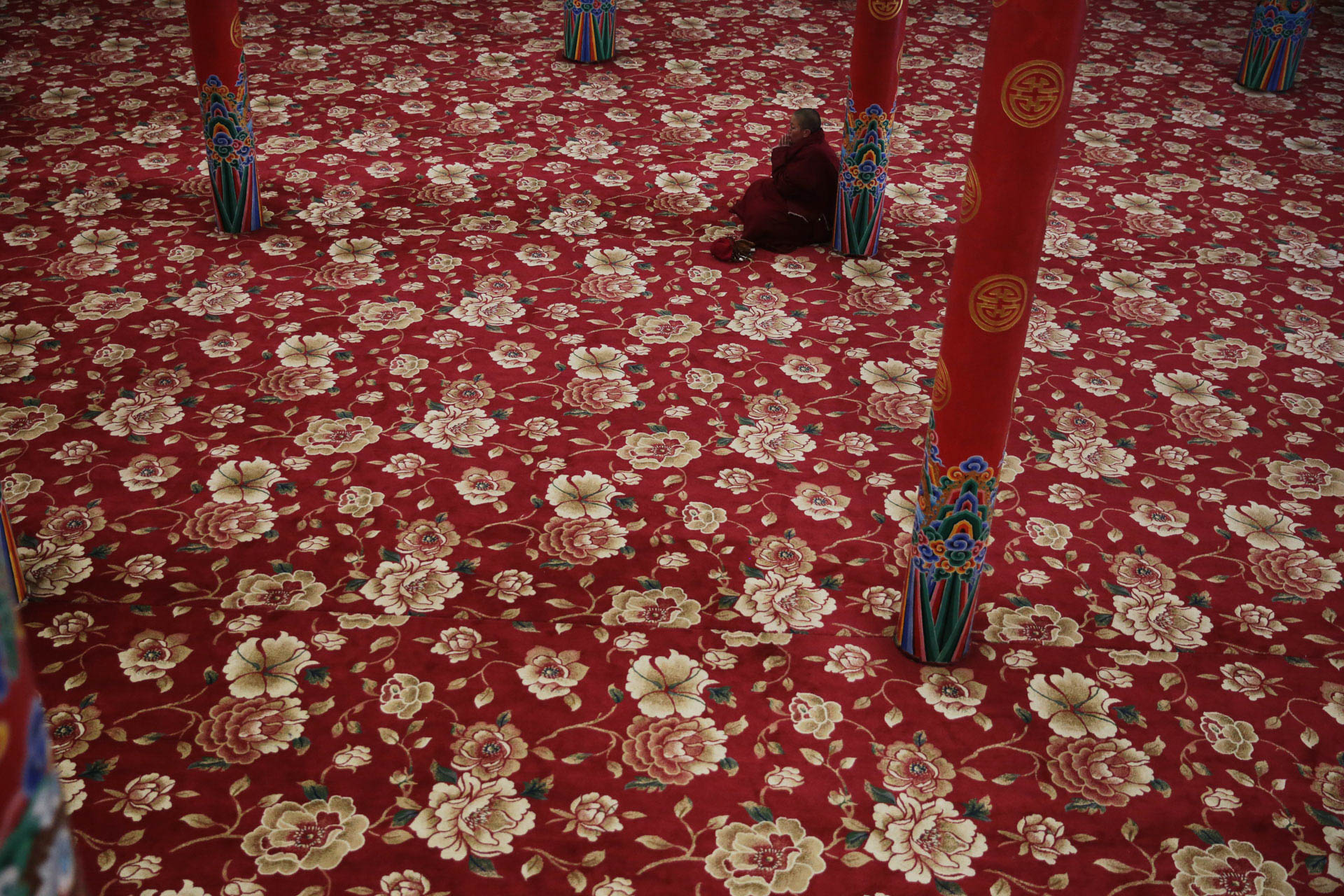
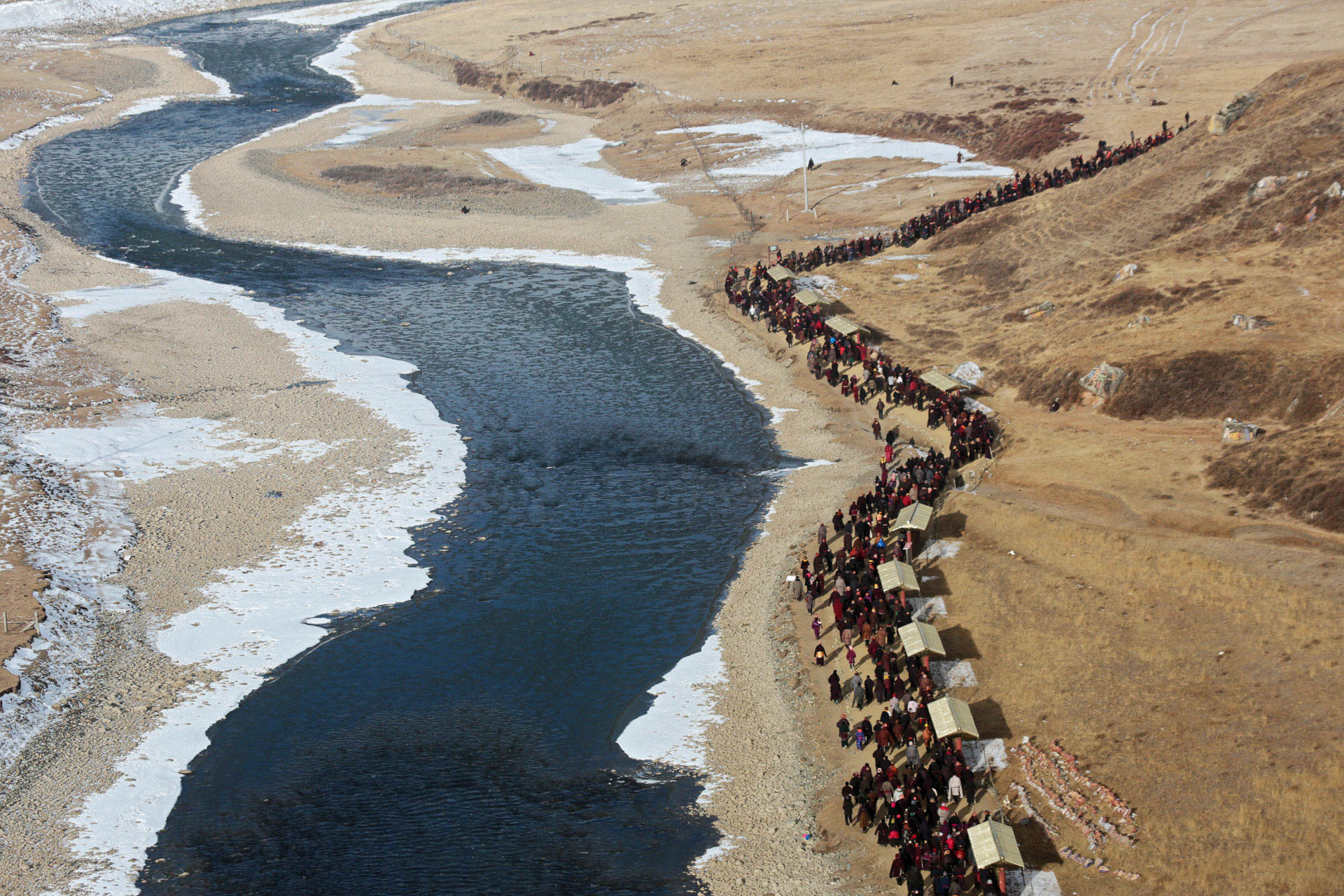
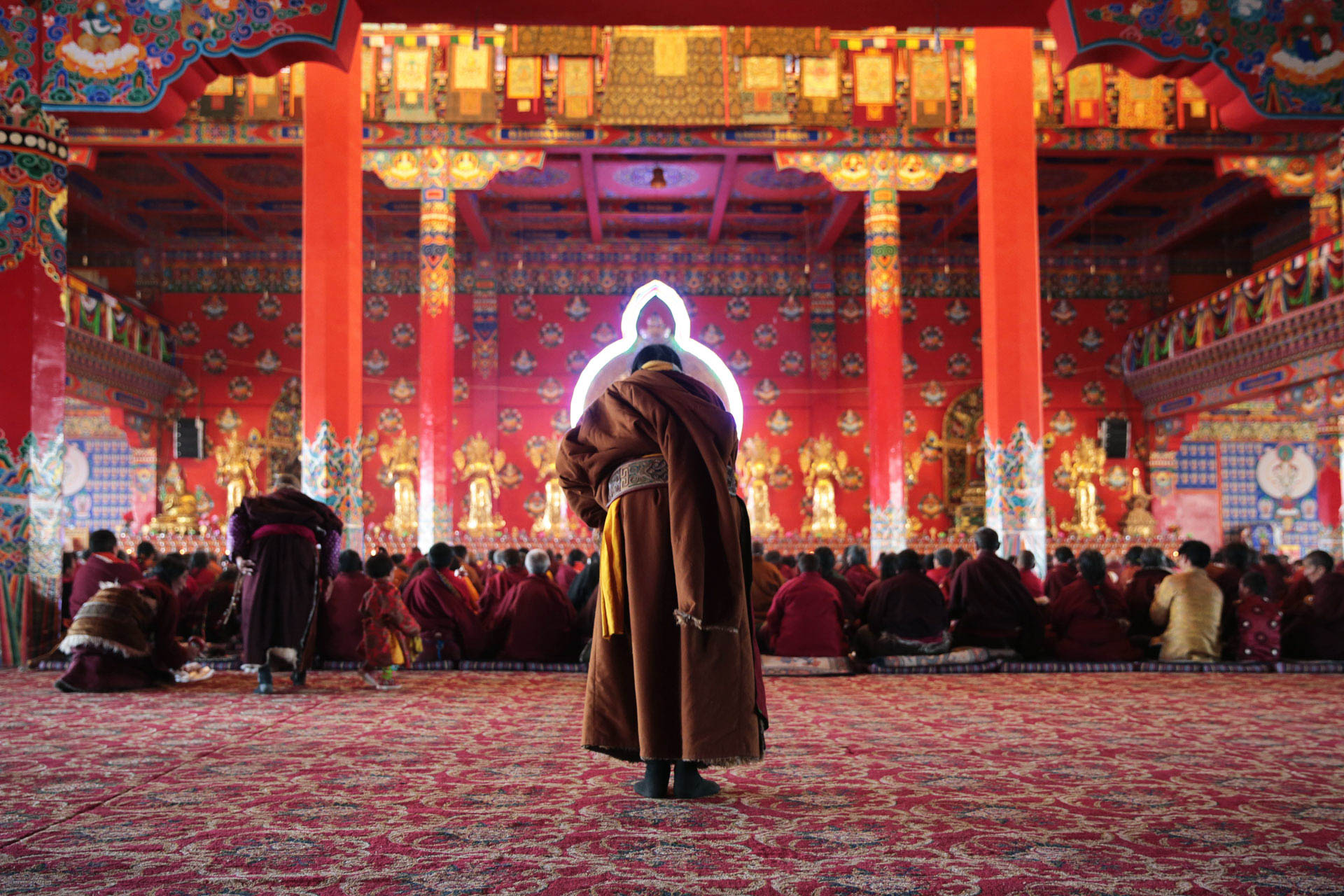
In Tibet, red is traditionally the color of robes and temples. It is the symbolic color of Tibetan Buddhism, and it also represents chastity and perseverance. For centuries, the lives of Tibetan people have revolved around religion. Beyond collective faith and monastic practice, religion permeates every aspect of daily life — from festivals, clothing, and architecture to political order and social hierarchy — turning life itself into a continuous ritual.
Since 2006, with the opening of the first railway across the plateau, Tibet has witnessed the construction of additional railways, highways, bridges, dams, and other infrastructure projects. The once formidable geographical barriers have gradually been overcome, and the urban development model and lifestyle from mainland China are beginning to challenge the long-standing traditions of the Tibetan people.
Amid the pressures of modern civilization and urbanization, the traditional way of life is undergoing transformation. The red religion, now framed by a red regime, leaves everyone — monks and ordinary people alike — facing an uncertain future. Deep Red documents traditional religious life in Tibet during this period of transition.
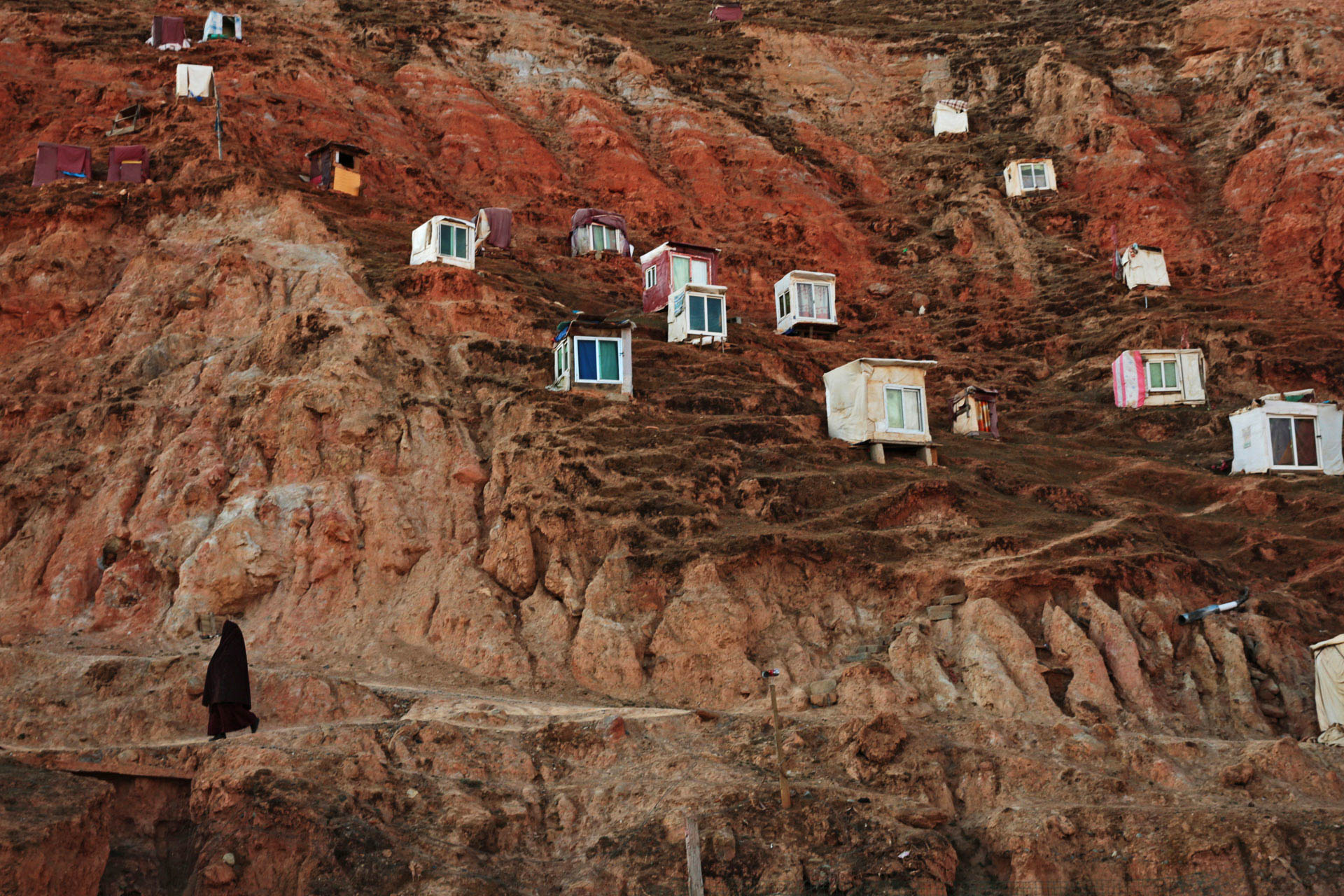
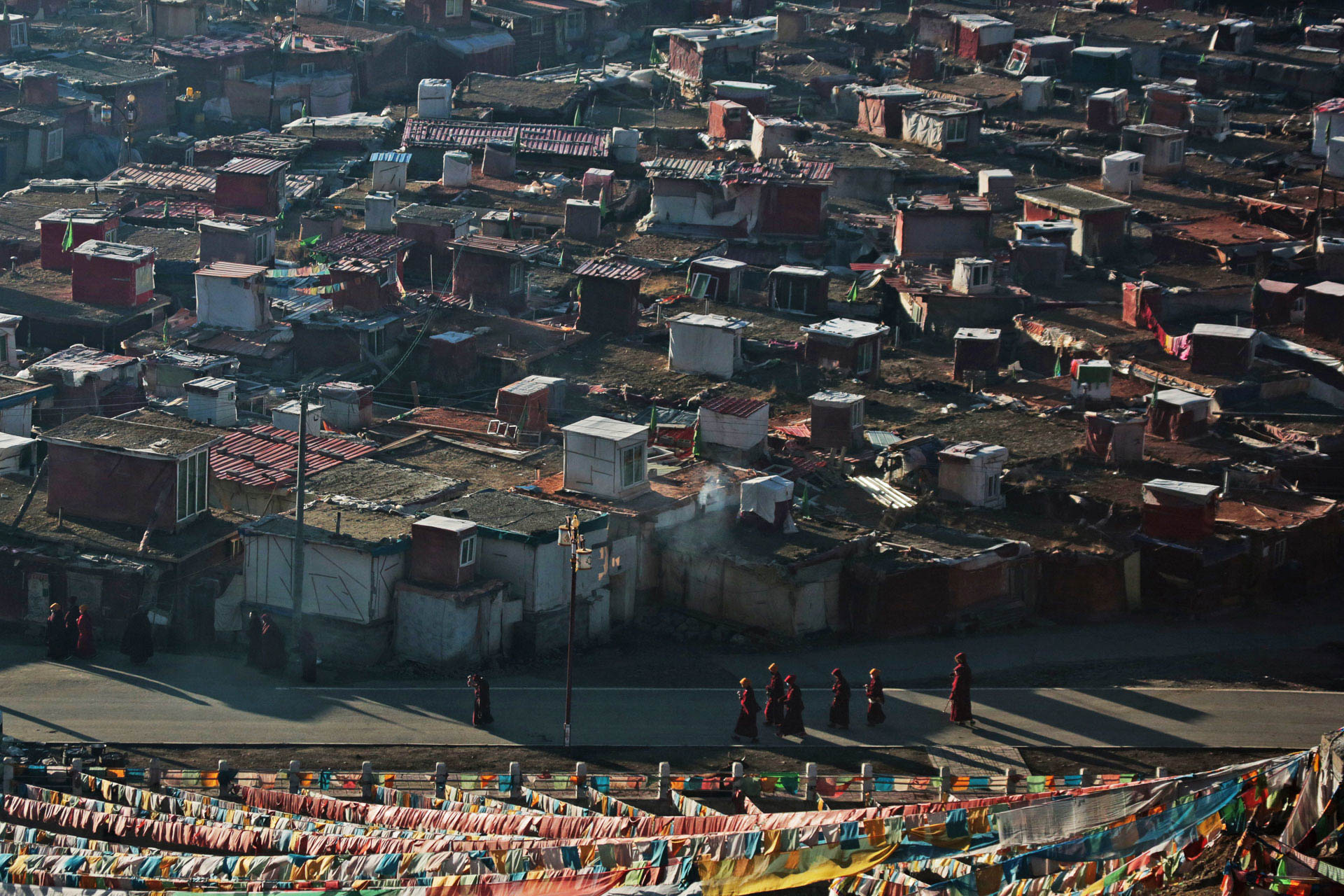
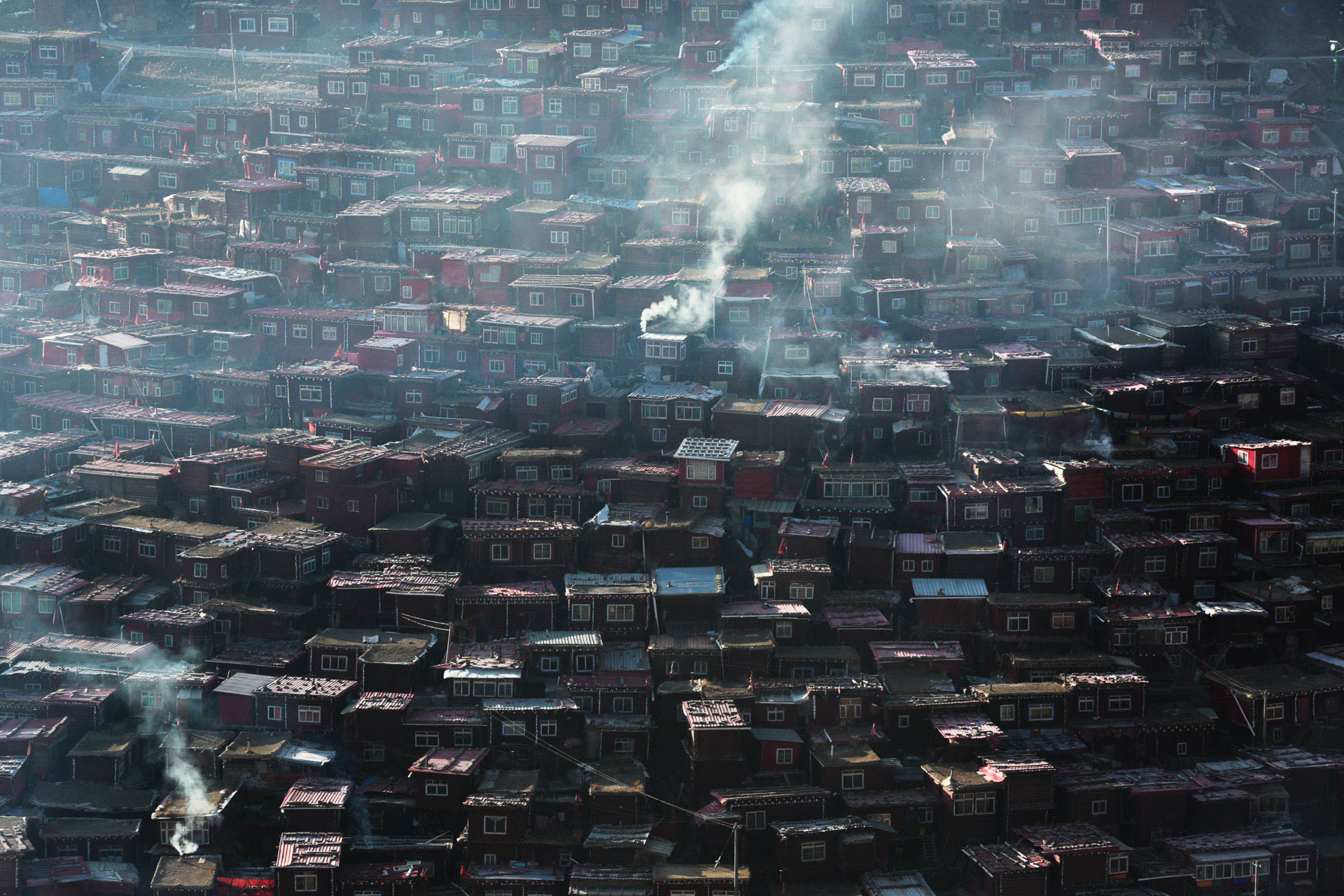
A nun passes by past the meditation cubes in the hill. In winter, nuns must continue their practice of asceticism every day in a one-cubic-meter wooden hut located on the hillside faced to the island. Except eating and drinking, nuns sit and meditate during daytime, still and silent. The asceticism lasts a hundred days.A group of nuns walks past their houses. The nuns’ island of Yarchen Gar is the largest nuns’ residential area in the world. Here, houses topped with meditation cubes form a unique loft structure. Today, as Chinese officials start to control the number of nuns on the island, the houses face large-scale demolition.
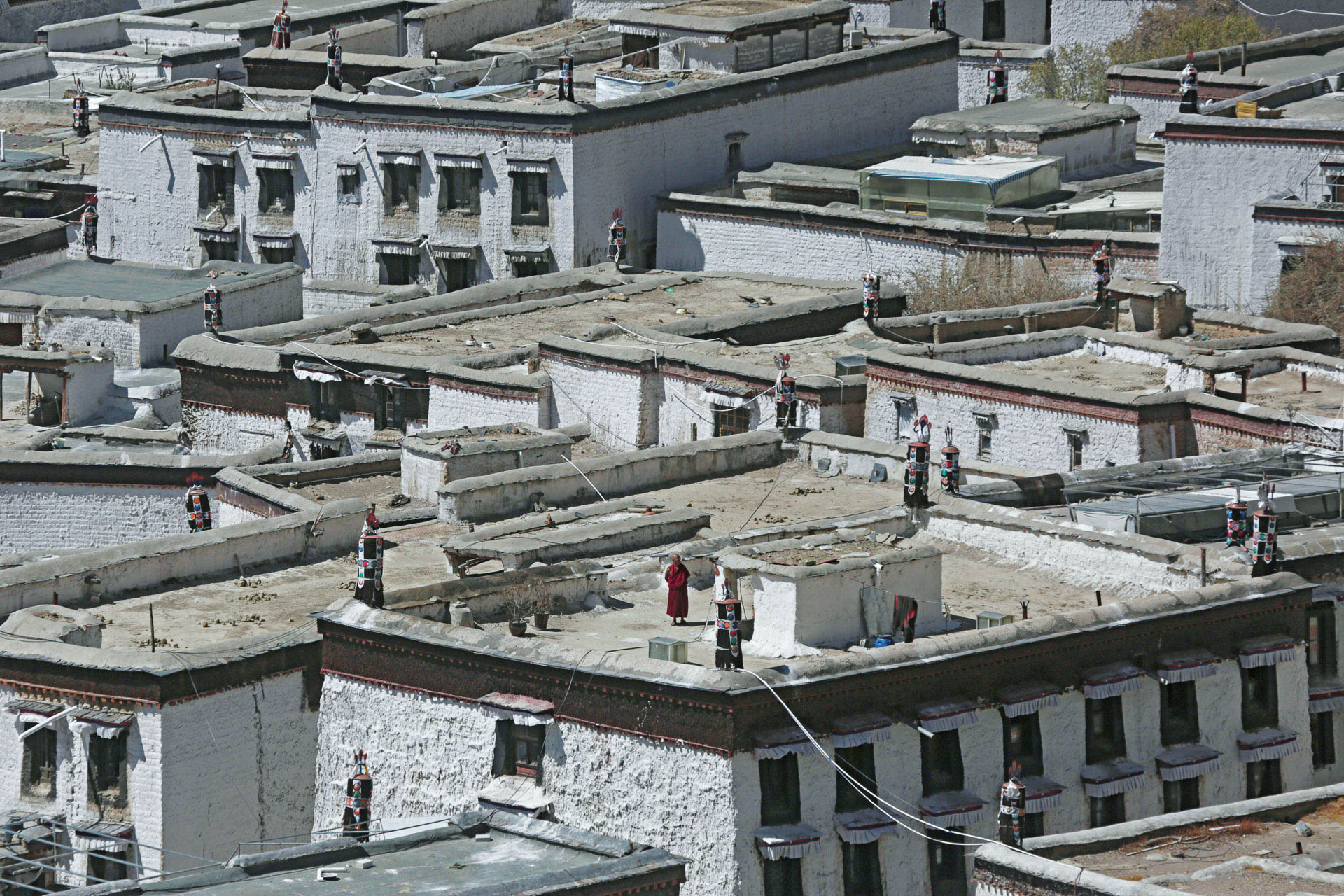
A monk on the rooftop observes his surroundings.
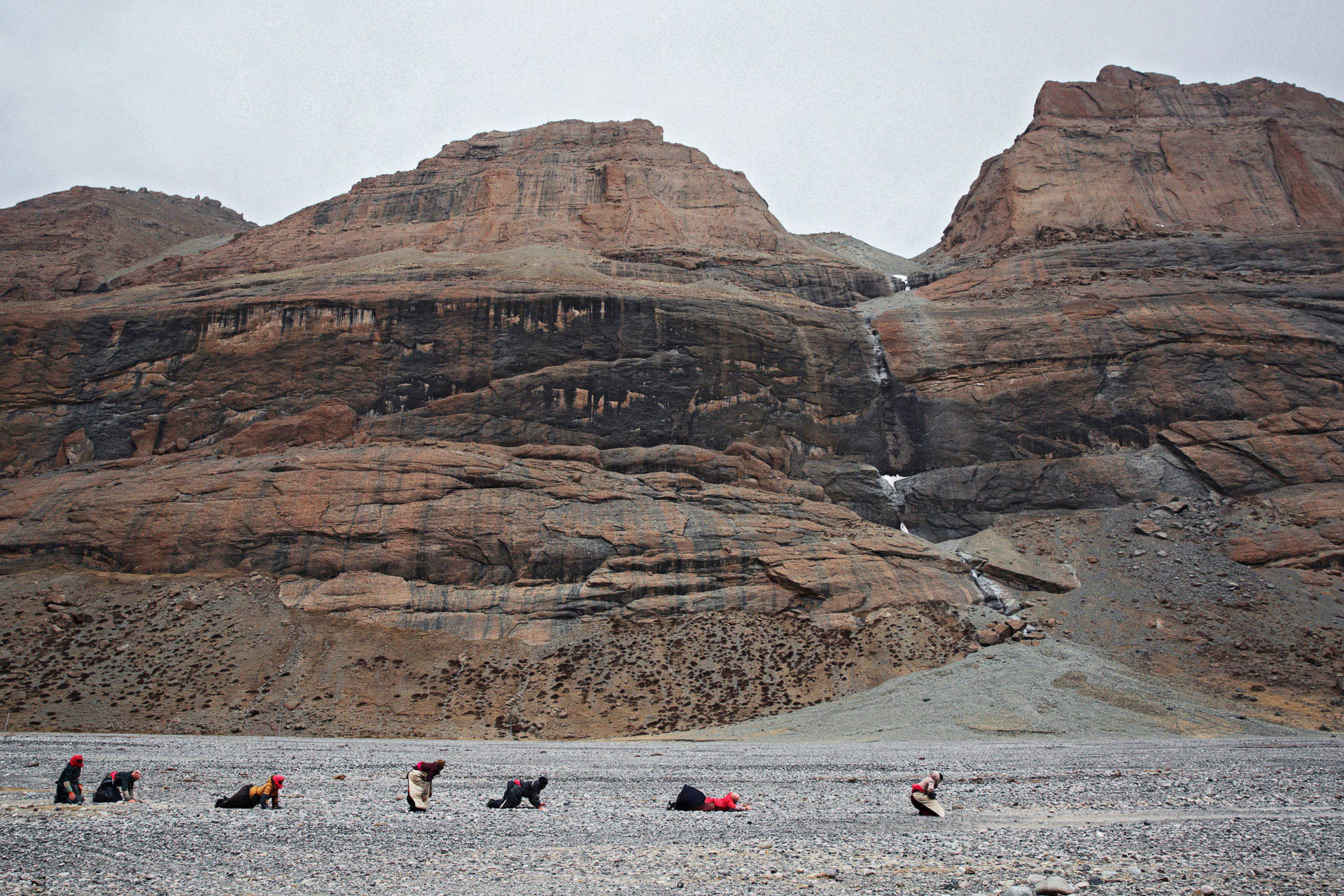
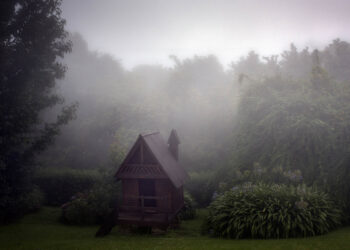
A family of pilgrims crawls towards Mount Kailash. Mount Kailash is considered as the center of the world by the Hindus, the Jains, the Buddhists and the Bönpos. It is said that circumambulation around Mount Kailash on foot brings good fortune to the pilgrims. Every year, thousands of believers come to practice this holy ritual.In early morning, smoke rises from red log cabins in the hill. Larung Gar is the largest Tibetan Buddhist institute in the world, with tens of thousands of monks.
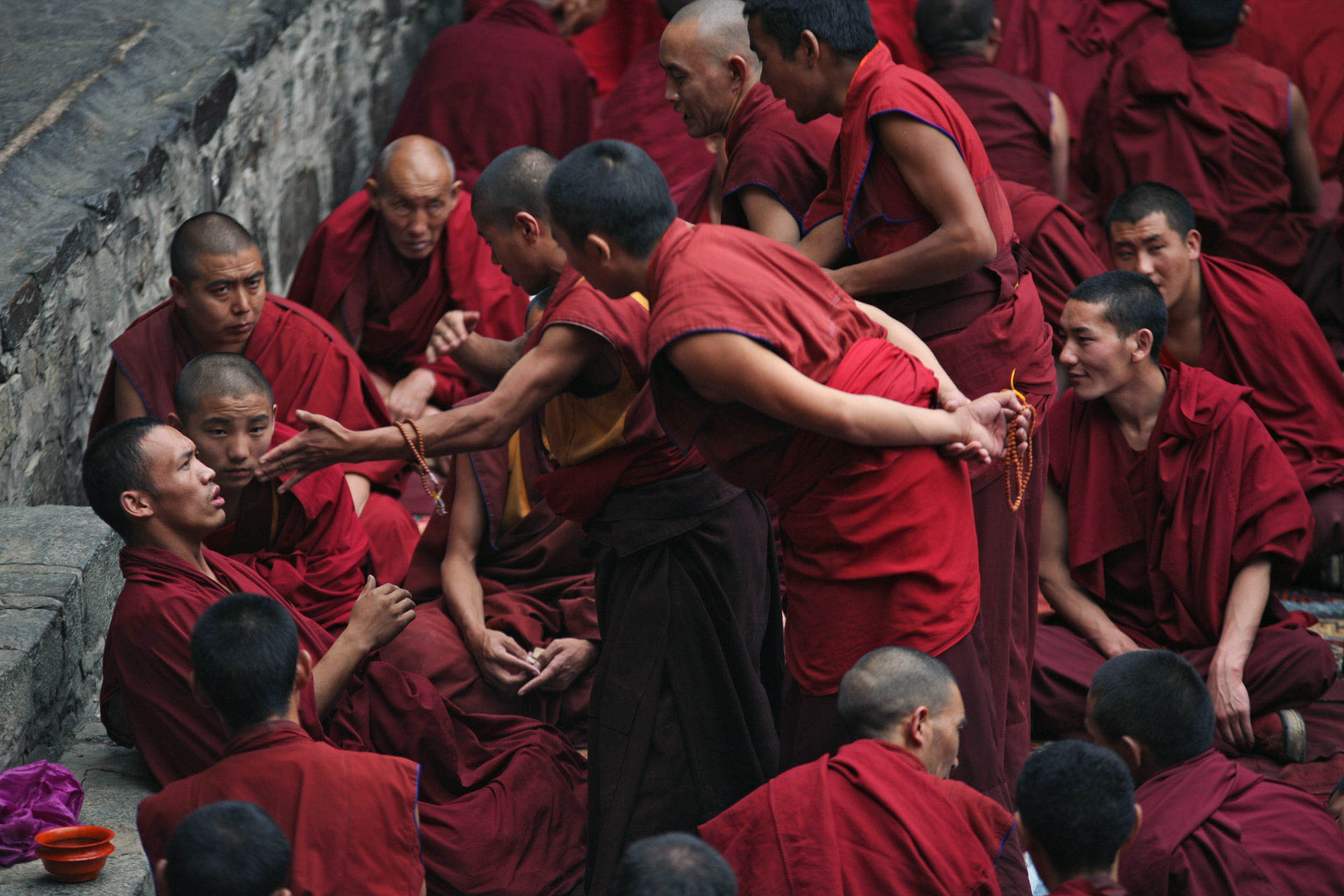
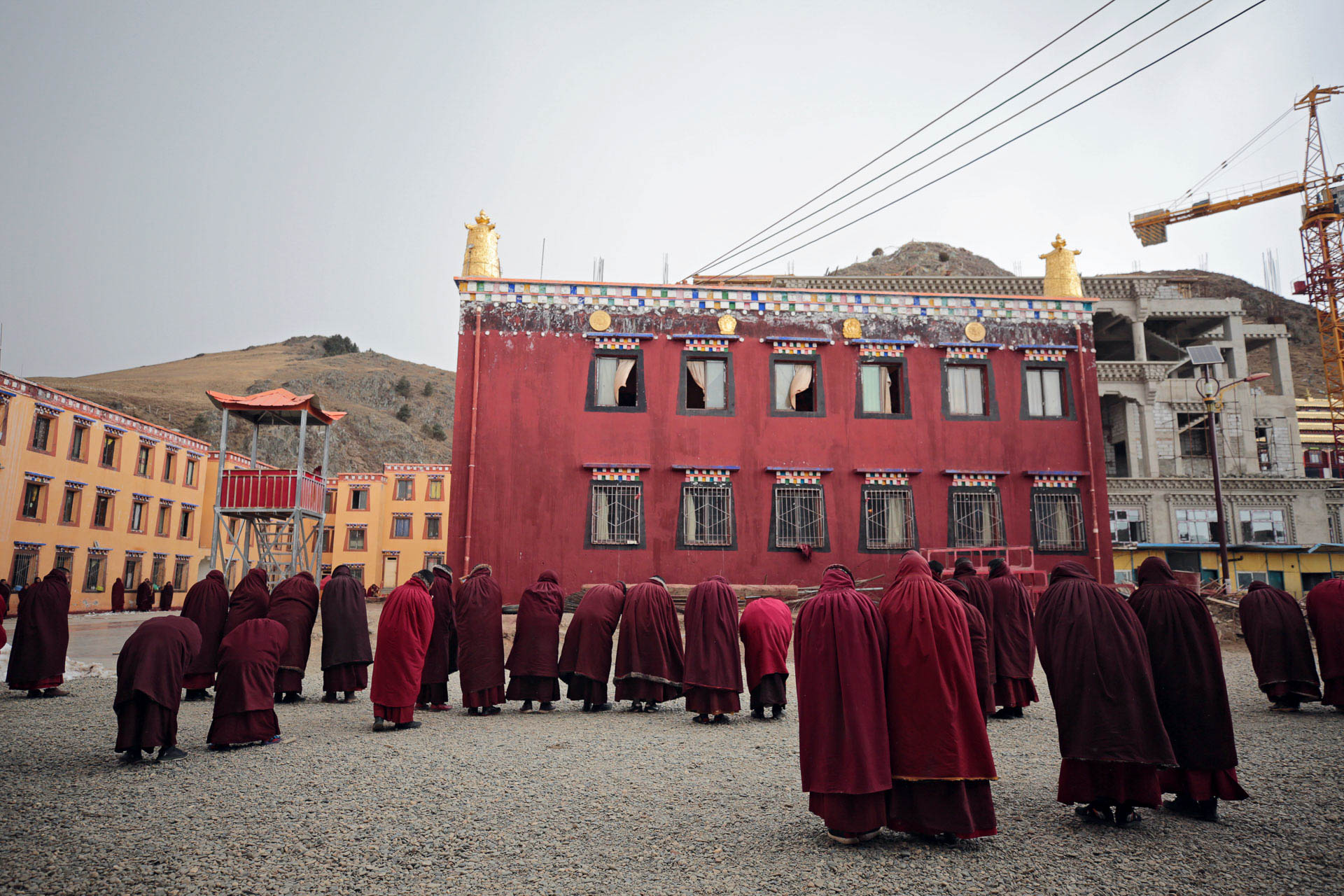
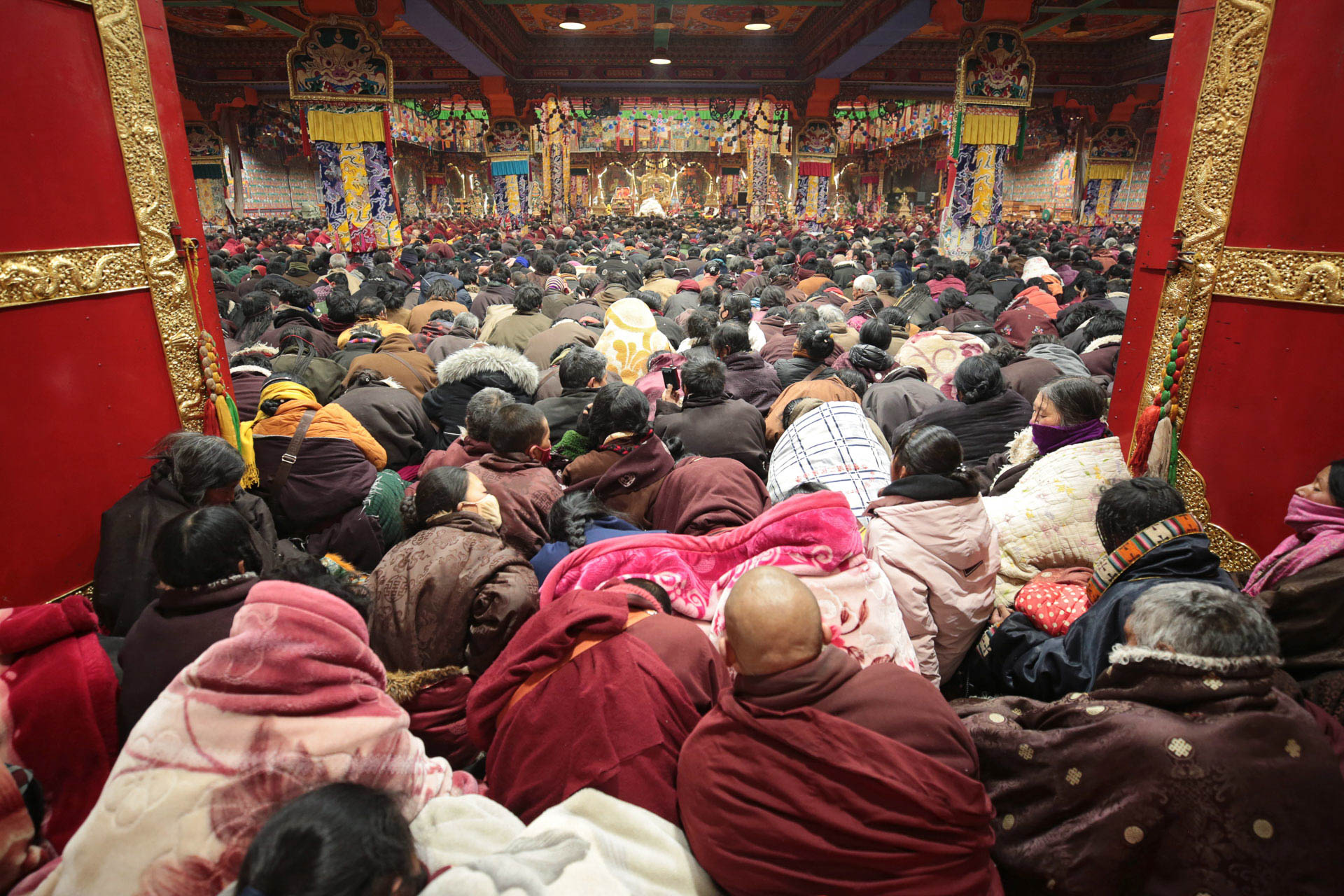
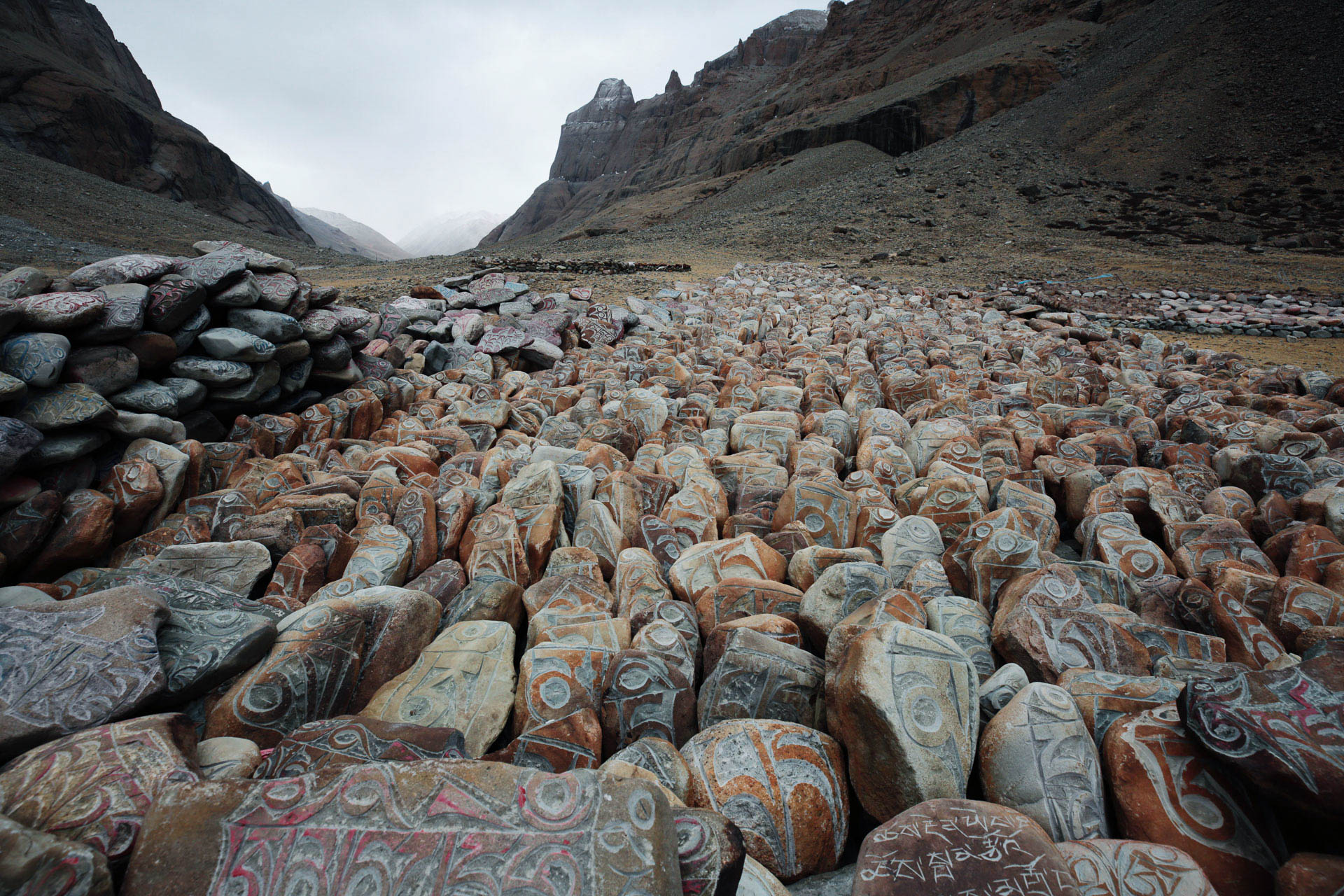
A pilgrim bows to the Lama giving class in the prayer hall.A large pile of Mani stones piled up by pilgrims over the years on the way to Mount Kailash, Tibetan pilgrims believe that these stones engraved with Buddhist mantra will bring them good auspices, Ngari.
Jian Luo is a Chinese photographer based in Paris and Beijing. His works have been exhibited in China, France, Germany, Italy, Switzerland, UK… and are in the permanent collection at MUSEC Museum in Switzerland and Swatch Art Peace Hotel in China. He seeks to uncover the underlying connections between people and modern society and present them through his lens. Influenced by Henri Cartier-Bresson’s idea of the decisive moment, He believes that there is a certain truth that exists both inside and outside of the lens, although it may take time to confirm.